
DBT-100 SW
Dual-effect heat-resistant probiotics and post-genetic growth promoters for piglets
Product Introduction
DBT-100 SW is a dual-effect heat-resistant probiotic and postbiotic feed additive developed DaBomb Protein Biotech Corp. specifically for piglets and weaned piglets. The weaning period is the stage with the greatest immune stress and the most vulnerable gut in the entire pig production cycle—the passive immune protection from the mother's milk is withdrawn, the active immune system is not yet mature, and the gut microbiota faces drastic reorganization, making it extremely susceptible to bacterial diarrhea, enteritis, and growth retardation, resulting in significant production losses.
The DBT-100 SW addresses this vulnerable window directly through two complementary mechanisms:
- Bacillus subtilis BA207 - colonizes the intestinal mucosa of piglets, directly inhibits intestinal pathogens such as Escherichia coli, Salmonella, and swine dysentery spirochetes, and stabilizes the intestinal flora.
- Lactic acid bacteria postbiotic L022 - regulates immune signal transduction with metabolically active substances, reduces excessive intestinal inflammation, and helps piglets maintain intestinal and systemic immune balance during the high-stress weaning transition period.
The product also features 120°C heat resistance process stability, allowing it to be directly applied to commercial feed pelleting without worrying about high-temperature processing damaging probiotic activity, ensuring that the effective components in each batch of piglet feed are fully preserved.
Core Product Advantages
Special design targeting the vulnerable intestinal window during weaning.
After weaning, piglets have an unstable gut microbiota and incomplete immune defenses. The formulation, dosage, and mechanism of DBT-100 SW are specifically optimized for this high-risk stage and are suitable for both nursery and growing-finishing pig feed.
Inhibit five common intestinal pathogens
Experiments have verified that DBT-100 SW has an inhibitory effect on the five most common pathogens in the intestines of piglets: Escherichia coli, Salmonella, Staphylococcus aureus, Clostridium difficile, and the main pathogen of swine dysentery—Swine dysentery spirochetes.
In vivo experiments confirmed a sustained decrease in the number of swine dysentery spirochetes.
In a field trial on pigs, the changes in the amount of *Treponema pallidum* bacteria in vivo were tracked using a gene-quantitative method. After supplementing with DBT-100 SW, the bacterial count continued to decrease in the 3rd and 5th weeks, indicating that the product has a sustained in vivo antibacterial effect under actual breeding conditions.
Improvements in organ health can be directly observed
The results of the piglet trial showed that after using DBT-100 SW, the symptoms such as intestinal bloating, lung darkening, and liver lesions caused by infection or intestinal inflammation were significantly improved, and the organs tended to be healthier.
Reduce the incidence of diarrhea and improve the feed conversion rate.
By stabilizing the gut microbiota and regulating the immune system, DBT-100 SW helps reduce the incidence of bacterial diarrhea in weaned piglets and can improve feed conversion ratio by approximately 4.6–12%, thereby enhancing overall farming efficiency.
Technical Principles | Mechanism of Dual-Effect Synergistic Effect
This diagram illustrates in a concise way how the two core components of DBT-100 SW work synchronously in the gut environment.
In the image, the blue bar-shaped symbols represent the probiotic BA207, and the orange spheres represent pathogenic bacteria in the gut. As can be seen from the arrangement of the symbols, BA207 is densely distributed in the gut environment, using physical competition and the secretion of antibacterial substances to contain and inhibit the proliferation of pathogenic bacteria—a visual representation of the "competitive exclusion" mechanism of probiotics.
The description below the image indicates that the lactic acid bacteria postbiotic L022 reduces inflammation, representing the direction in which L022 metabolites regulate the immune response at the intestinal mucosa and circulatory system levels: while pathogens are controlled, L022 postbiotics further inhibit excessive inflammatory signals, preventing secondary damage to the intestines due to immune imbalance.
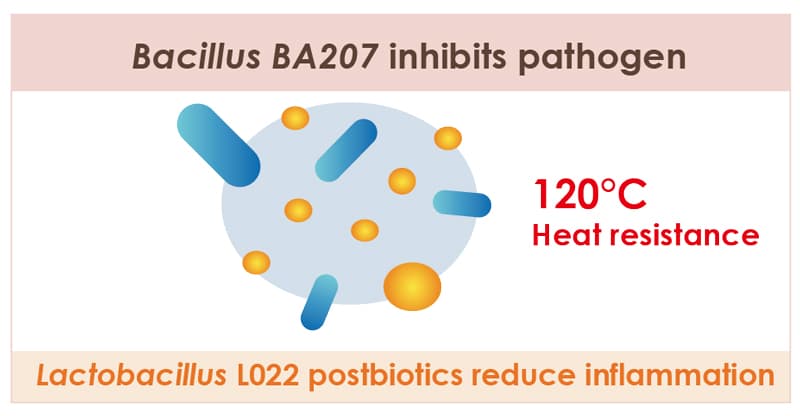
[Figure 1: Schematic diagram of the inhibitory effect of Bacillus subtilis BA207 on pathogens and the anti-inflammatory effect of metagenes]
The 120°C heat resistance indicated in the image reminds users that this dual-effect mechanism can be effectively delivered to the piglet's intestines only if the product maintains an effective number of live probiotics and postbiotic activity after the high-temperature pelleting process.
Research data and experimental results
Experiment 1 | In vitro antibacterial activity: the difference directly observed in culture dishes
This set of comparison images presents the results of an in vitro antibacterial test against *Treponema pallidum*. The left side represents the blank control group, and the right side represents the experimental group supplemented with DBT-100 SW. *Treponema pallidum* is the main pathogen causing swine dysentery, which can invade the large intestinal mucosa and cause hemorrhagic diarrhea. It can cause serious losses in both fattening pigs and piglets, and because this bacterium has varying degrees of resistance to multiple antibiotics, its prevention and control are becoming increasingly difficult.
The experiment used blood culture medium (the petri dish with a red background in the picture). This culture medium contains red blood cells. When the swine dysentery spirochetes grow on it, it breaks down the surrounding red blood cells, forming a clear white transparent ring around the colony, called the "hemolytic zone"—the appearance of the hemolytic zone indicates that the strain has active infection and hemolytic ability.
In the control group (left image), numerous white hemolytic zones were visible on the culture dish, indicating vigorous proliferation and strong infectivity of *Treponema pallidum*. In the DBT-100 SW experimental group (right image), almost no hemolytic zones appeared on the culture dish, indicating that the growth of *Treponema pallidum* was significantly inhibited and hemolysis did not occur. The visual comparison between the two images directly demonstrates the in vitro inhibitory efficacy of DBT-100 SW against *Treponema pallidum*.
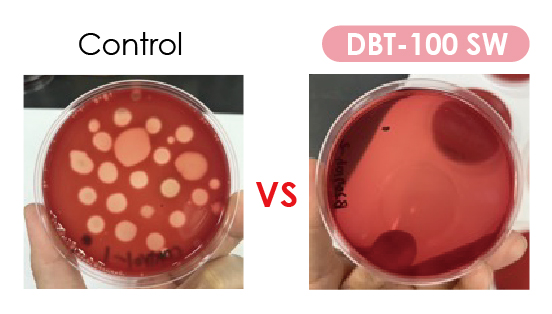
[Figure 2: Comparison of culture dishes in the antibacterial test of Spirochetes in swine dysentery]
Experiment 2 | In vivo experiment: The amount of *Treponema pallidum* bacteria in pigs continuously decreased over time.
The petri dish experiment in Figure 2 shows the antibacterial effect in vitro (laboratory conditions); this figure further shows the antibacterial dynamics of DBT-100 SW in real pigs, which is a test result that is closer to the actual breeding situation.
The "CT value" on the vertical axis is an indicator that requires a little explanation. The CT value (cycle threshold) comes from the instantaneous polymerase chain reaction (quantitative gene amplification technology) commonly used in molecular biology to detect the amount of DNA of a specific microorganism in a sample. The test principle is to repeatedly amplify the DNA of the microorganism through cycles. When the DNA accumulates to a signal intensity that the instrument can detect, the required number of cycles—that is, the CT value—is recorded.
The relationship between CT value and bacterial load is inverse: a higher CT value indicates less bacterial DNA in the sample (requiring more amplification cycles to detect), meaning a lower number of pathogens in the body. Conversely, a lower CT value indicates a higher bacterial load and a higher degree of infection.
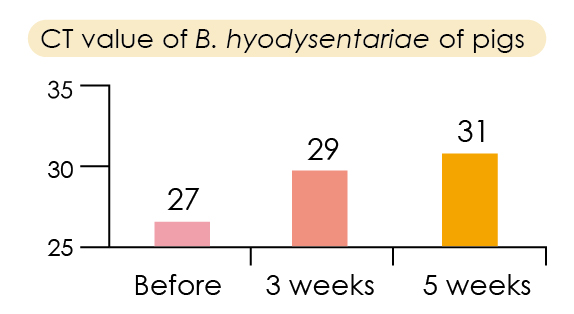
[Figure 3: Bar chart showing the time-varying value of the gene quantification of Porcine Leptospira in pigs (CT value)]
The three bars in the figure show the changes in the amount of Swine Shigella bacteria in the same batch of pigs before and after supplementation with DBT-100 SW:
- Before supplementation: CT value = 27 (relatively high bacterial count)
- Week 3 after supplementation: CT value = 29 (bacterial count significantly reduced).
- Week 5 after supplementation: CT value = 31 (bacterial count continues to decrease to its lowest level)
The increase from CT 27 to CT 31 indicates a significant reduction in the amount of *Treponema pallidum* DNA in the body within 5 weeks, with a trend of continuous improvement rather than just short-term inhibition. This data demonstrates that DBT-100 SW not only inhibits the bacteria in vitro but also maintains a sustained effect in reducing *Treponema pallidum* levels in the complex intestinal environment of actual pigs, demonstrating substantial field application value for the prevention and control of swine dysentery.
Experiment 3 | Improved Organ Health: Visible Recovery of the Intestines and Organs
This set of images shows a comparison of the appearance of abdominal organs in piglets after dissection. The left side is the control group without DBT-100 SW supplementation, and the right side is the experimental group supplemented with DBT-100 SW. The caption below the images reads: "After using DBT-100 SW, symptoms such as intestinal bloating, dark lungs, and liver lesions were all improved."
These three symptoms are all common indicators of intestinal infection and immune inflammation in piglet farming, and are explained below:
Intestinal bloating- Infection by pathogens (especially Escherichia coli and Clostridium difficile) leads to abnormal fermentation in the intestines, resulting in the accumulation of large amounts of gas, significant distension of the intestinal tract, and severe impairment of digestive function. The control group's intestinal tract appears distended; the DBT-100 SW group's intestines, on the other hand, appear significantly firmer and more normal.
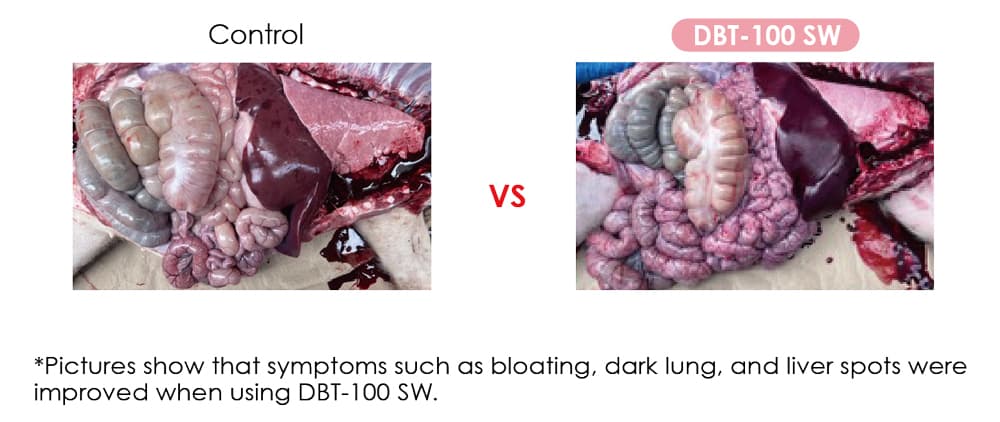
[Figure 4: Anatomical organ comparison of piglets (control group vs. DBT-100 SW group)]
Darkening of the lungs- Darker lung color (dark red to purplish-black) usually reflects pulmonary congestion, stasis, or inflammation caused by systemic infection spreading to the respiratory system. The lungs of healthy pigs should be pinkish with a good elastic appearance; the lungs of the control group were significantly darker, while the lungs of the DBT-100 SW group had a more normal color.
Liver lesion points- The appearance of white or gray dot-like lesions on the liver surface is usually a manifestation of local liver necrosis or granulomatous lesions caused by bacterial infection (such as Salmonella or Escherichia coli), and is an important indicator of the degree of systemic infection. The DBT-100 SW group had significantly fewer or no lesions on the liver surface, reflecting that the degree of infection was effectively controlled.
Unlike numerical charts, this set of organ comparison charts provides a visually apparent comparison of organ health status, directly showcasing the actual effects of DBT-100 SW in improving the overall physiological condition of piglets—the simultaneous improvement of the intestines, lungs, and liver. This demonstrates that the product's benefits are not limited to the intestines themselves, but rather drive a systemic improvement in health through intestinal flora stabilization and immune regulation.
Inhibitory intestinal pathogens
DBT-100 SW has been experimentally verified to inhibit the following common intestinal pathogens in piglets:
- E. coli
- salmonella
- Staphylococcus aureus
- Clostridium
- Swine dysentery spirochetes
Application areas
The DBT-100 SW is specifically designed for the pig farming industry and is suitable for the following applications:
- Piglet feed (critical period before and after weaning)
- piglet feed
- Weaning pig feed
- Feed for growing and finishing pigs
Particularly suitable for the following aquaculture management scenarios:
- Intestinal health management and diarrhea prevention during weaning
- Supporting programs for antibiotic reduction or antibiotic-free feeding strategies
- Preventive use in areas prone to swine dysentery
- Intestinal health maintenance in high-density housing environments
Recommended dosage
| Animal species | Recommended dosage |
| piglets | 300-500 g/metric ton of feed |
| Growing-finishing pigs | 150-300 g/metric ton of feed |
Product Specifications
| project | illustrate |
| probiotic strains | Bacillus subtilis BA207 |
| Probiotic count | ≥10⁹ colony-forming units/gram |
| Functional ingredients | Lactic acid bacteria postbiotic L022 |
| thermal stability | Tolerate 120°C |
| Package | 25 kg/bag |
| Minimum shipment quantity | 1 ton |
| Shelf life | 24 months |
| Countries that have already exported | India/Vietnam/Malaysia |
Frequently Asked Questions (Q&A)
Q1: What are the differences between the DBT-100 SW and DBT-100 LS? Which one should I choose?
Both products utilize the same core platform of Bacillus subtilis BA207 probiotics and lactic acid bacteria postbiotic L022. The differences lie in their target applications and formulation focus. DBT-100 SW is specifically designed for piglets and weaned piglets, with dosage, mechanism of action, and experimental validation all focused on the vulnerable intestinal window during weaning. Experimental data covers piglet-specific health indicators such as in vivo tracking of Porcine dysentery spirochetes and improvement in organ health. DBT-100 LS, on the other hand, is a more widely applicable product for all stages of pig and poultry rearing, with experimental data covering multiple species including broiler chickens and piglets (with lipopolysaccharide toxin challenge). If the primary livestock being raised is piglets and weaned piglets, DBT-100 SW is recommended; if it needs to be applied to different stages of pig and poultry rearing, DBT-100 LS is more suitable.
Q2: Is DBT-100 SW effective in preventing and controlling swine dysentery?
Yes, and this is supported by both in vitro and in vivo experimental data. In vitro culture experiments showed that DBT-100 SW significantly inhibited the growth and hemolytic activity of *Treponema pallidum* on blood culture media. In vivo experiments on pigs in the field, using gene quantification, showed that after supplementation with DBT-100 SW, the CT value increased from 27 to 29 in week 3 and further to 31 in week 5—the continuous increase in CT value indicates a continuous decrease in the amount of *Treponema pallidum* bacteria in the body, showing that the product has a sustained in vivo antibacterial effect under actual breeding conditions, rather than just short-term inhibition.
Q3: What does an increase in CT value mean? Why does a higher CT value indicate fewer pathogens?
The CT value (cycle threshold) is an indicator used to quantitatively detect pathogens using gene amplification technology. The testing principle is as follows: DNA amplification cycles are repeatedly performed on the sample, and the number of cycles required for the pathogen's DNA to accumulate to a detectable level is recorded. When the amount of pathogen DNA in the sample is lower, more amplification cycles are needed to reach the detection threshold, so the CT value is higher; conversely, when there are more pathogens, the CT value is lower. In short, a higher CT value = fewer pathogens in the body = a lower degree of infection. In the experiment, a CT value increasing from 27 to 31 indicates a significant reduction in the amount of *Treponema pallidum* bacteria in the body within 5 weeks.
Q4: What caused the intestinal bloating, dark lungs, and liver lesions observed in the experiment?
These three symptoms are common pathological manifestations of intestinal or systemic bacterial infections in piglets. Intestinal bloating is usually caused by abnormal fermentation in the intestines due to infection with *E. coli* or *Clostridium*, leading to gas accumulation, intestinal distension, and severe impairment of digestive function. Darkened lungs reflect congestion or inflammation caused by systemic infection. Liver lesions (punctate necrosis or granulomatous lesions) are commonly seen in cases of systemic infection with *Salmonella* or *E. coli*. In the DBT-100 SW trial, through the inhibition of intestinal pathogens by probiotics and the immunomodulation by postbiotics, all three symptoms were significantly improved, demonstrating that the product's protective effect extends to multiple organ systems beyond the intestines.
Q5: Can DBT-100 SW be used as an alternative to antibiotic-free piglet feeding?
DBT-100 SW is a functional feed additive positioned as a preventative gut health management tool. It provides sustained gut microbiota stability and immune enhancement during routine feeding, effectively reducing piglets' reliance on antibiotics. For pig farms promoting antibiotic-free farming (zero antibiotic addition), operators applying for organic pork certification, or farmers needing to comply with drug residue regulations in specific export markets, DBT-100 SW is a compliant option supported by in vitro and field trial data. It is important to note that DBT-100 SW is a preventative tool and cannot replace emergency treatment during disease outbreaks.
Q6: How much can DBT-100 SW improve feed conversion ratio?
The study results showed that adding DBT-100 SW could improve the feed conversion ratio of piglets by approximately 4.6–12%. The improvement in feed conversion ratio mainly comes from two aspects: first, after the gut health is improved, animals can absorb and utilize more nutrients from the same feed input, and the conversion efficiency of effective protein and energy is improved; second, after the incidence of diarrhea and enteritis is reduced, animals no longer expend a lot of energy on the immune stress response after infection, the growth rhythm tends to be stable, and feed efficiency is naturally improved.
Q7: Is DBT-100 SW still effective after the high-temperature feed pelleting process? Will the probiotic activity be destroyed?
No. DBT-100 SW uses spore-forming Bacillus subtilis (BA207). Spores are highly resistant dormant structures formed by bacteria under harsh environments, capable of withstanding feed pelleting processes at 120°C. Compared to non-spore-forming probiotics such as lactic acid bacteria, which die in large numbers at 60–80°C, the spore-forming nature of BA207 ensures that it retains a sufficient number of viable bacteria even after high-temperature processing. Postbiotic L022 is a metabolite, not a live bacterium, and is heat-stable, thus unaffected by processing temperature. Therefore, each batch of piglet feed made with DBT-100 SW ensures the complete retention of the labeled active ingredients from raw materials to the finished product.
Q8: When is the best time to introduce DBT-100 SW into piglet feeding and management?
The DBT-100 SW achieves maximum effectiveness at the following piglet management stages:
- Before and after weaning (the most critical period): During weaning, the passive immunity provided by breast milk disappears, and the active immunity is not yet mature. The intestinal flora undergoes drastic reorganization, making it the period when bacterial diarrhea is most likely to occur. Supplementing with feed 1–2 weeks before weaning can establish a protective layer of intestinal flora in advance, reducing the risk of intestinal damage caused by weaning stress.
- High-density rearing period: In pens with high population density, pathogens spread horizontally rapidly. Preventive use of DBT-100 SW can reduce the chance of infection spread.
- Antibiotic reduction or discontinuation transition period: During the transition from antibiotic-fed to antibiotic-free feeding, the animal's gut microbiota is still adjusting. Supplementing with DBT-100 SW can help fill the protective gap and reduce health risks in the early stages of the transition.
- Swine dysentery is most prevalent during the summer months when temperatures are high or during seasonal transitions. The risk of transmission of swine dysentery spirochetes increases during these times. Supplementing with DBT-100 SW in advance can have a preventative antibacterial effect.
For product samples, feed formulation consultation, or technical support, please contact DaBomb Protein Biotech Corp.