
DBT-100HT
Aquatic probiotics and postbiotic dual-effect growth-promoting formula
Product Introduction
DBT-100 HT is a heat-resistant aquatic feed additive developed by DaBomb Protein Biotech Corp. to address the actual pain points of aquaculture farmers by combining the dual mechanisms of probiotics and postbiotics.
In high-density aquaculture environments, the accumulation of large amounts of feed and excrement subjects animals to prolonged periods of high environmental stress, continuously weakening their immune defenses. Once pathogens invade, large-scale infections are highly likely. DBT-100 HT, through the synergistic effect of probiotics and postbiotics, strengthens the intestinal barrier function, stabilizes the immune system, improves nutrient absorption efficiency, and enhances disease resistance, while also promoting growth performance. It represents an innovative antibiotic alternative.
In addition, DBT-100 HT has a high temperature tolerance of 120°C, which can be stably applied to the pelleting and extrusion process of aquatic feed, ensuring that the activity of probiotics reaches the pond directly from the factory, making production more convenient and feeding at the aquaculture end more worry-free.
Core Product Advantages
Promotes growth performance in shrimp and fish
DBT-100 HT can help activate growth-related metabolic pathways, promote shrimp muscle development and molting frequency, and improve overall aquaculture growth efficiency and yield.
Strengthen immunity and reduce disease risk
Studies show that DBT-100 HT can significantly enhance the immune response of shrimp, increasing the clearance rate of Vibrio in shrimp by 2.88 times, helping farmed animals maintain a healthy state and reducing the need for medication.
Improve gut microbiota and nutrient absorption
Through the dual action of probiotics and postbiotics, the balance of intestinal microbiota is adjusted, thereby improving the digestibility and absorption efficiency of feed protein.
Reduce feed costs and optimize formulation
DBT-100 HT's growth-promoting effect creates room for feed formulation adjustments, allowing alternative ingredients such as chicken meal, soy protein concentrate, and soybean meal to replace 1–10% of fish meal, thereby reducing feed costs while maintaining optimal growth performance.
High-temperature granulation stability
The product can withstand feed pelleting temperatures of up to 120°C, ensuring that the activity of probiotics is not destroyed by the high-temperature process. It is one of the few probiotic products on the market that can maintain an effective number of bacteria after feed processing.
Technical Principle | Dual Effect of Probiotics and Postbiotics
This schematic diagram, presented from the perspective of an intestinal cross-section, fully illustrates the dual-layer action site and mechanism of DBT-100 HT.
The upper part of the diagram focuses on the intestinal mucosa. The probiotic BA207 (the blue shield symbol in the diagram) densely colonizes the mucosal surface, preemptively occupying mucosal attachment sites through a competitive exclusion mechanism and secreting antibacterial substances to prevent pathogens such as Vibrio (the various colored symbols in the diagram) from contacting and invading the intestinal wall. This mucosal barrier formed by probiotics is the first line of defense in DBT-100 HT's intestinal health management.
The lower half of the diagram illustrates the role of the vascular layer. Postbiotic L022 (orange hexagonal diagram) is not a live bacterium, but rather a bioactive substance produced by lactic acid bacteria metabolism. After entering the circulatory system, it can continuously regulate host immune signal transduction, maintain the appropriate response state of immune cells, and enhance systemic anti-infection capabilities.
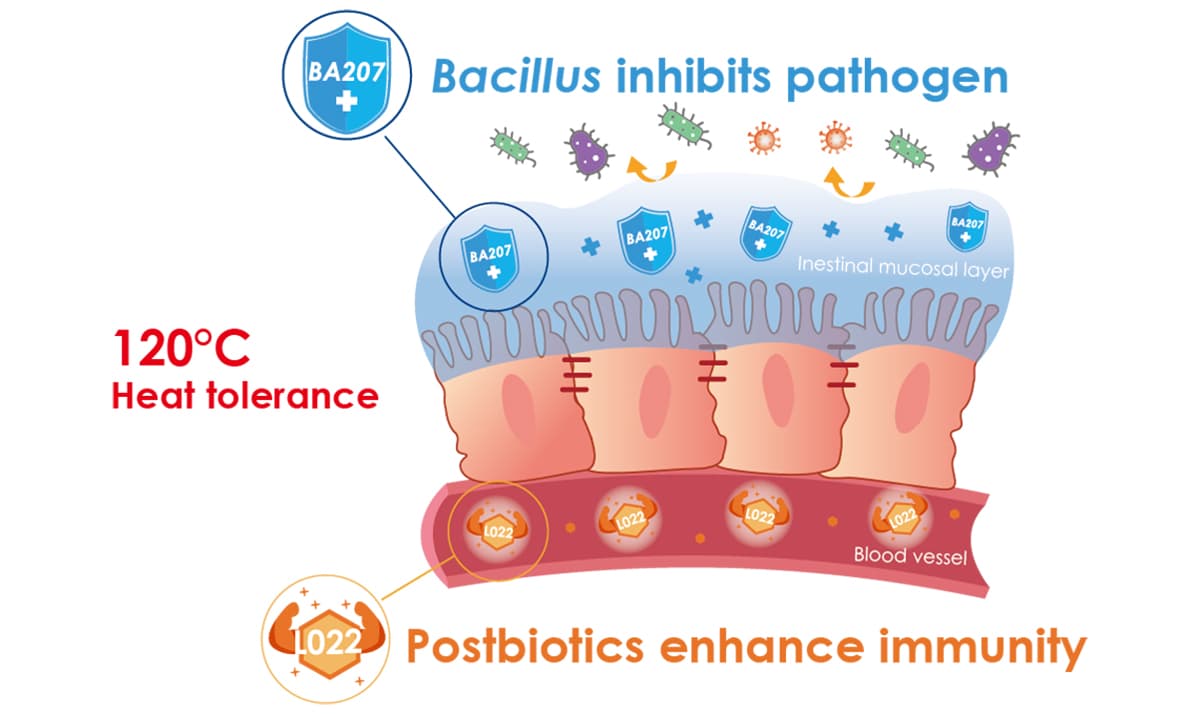
[Figure 1: Schematic diagram of the dual-effect mechanism]
DBT-100 HT utilizes a dual-effect nutritional platform of aquatic probiotics and post-biotics developed by DaBomb Biotechnology:
Probiotics: Bacillus liquefiedis BA207 can inhibit the proliferation of pathogenic bacteria such as Vibrio in the intestine and maintain the balance of intestinal microbiota.
Postbiotic: Lactobacillus L022 Postbiotic does not contain live bacteria. It helps stabilize the immune response, strengthen the intestinal barrier and promote metabolism in the form of metabolites. Its stability is higher than that of live bacteria preparations.
Research data and experimental results
Experiment 1 | Direct Verification of Growth Promotion at the Gene Level
This is a shrimp genetic study conducted by the Institute of Biotechnology and Bio-industry at National Cheng Kung University. Researchers wanted to know: are there differences in the activity levels of genes controlling "weight gain" and "molting" between shrimp that ate DBT-100 and those that didn't?
The results showed that DBT-100 HT promotes growth not through vague "metabolic promotion," but with scientific data proving that it does indeed make the genes responsible for "meat growth" and "rapid molting" in shrimp more active.
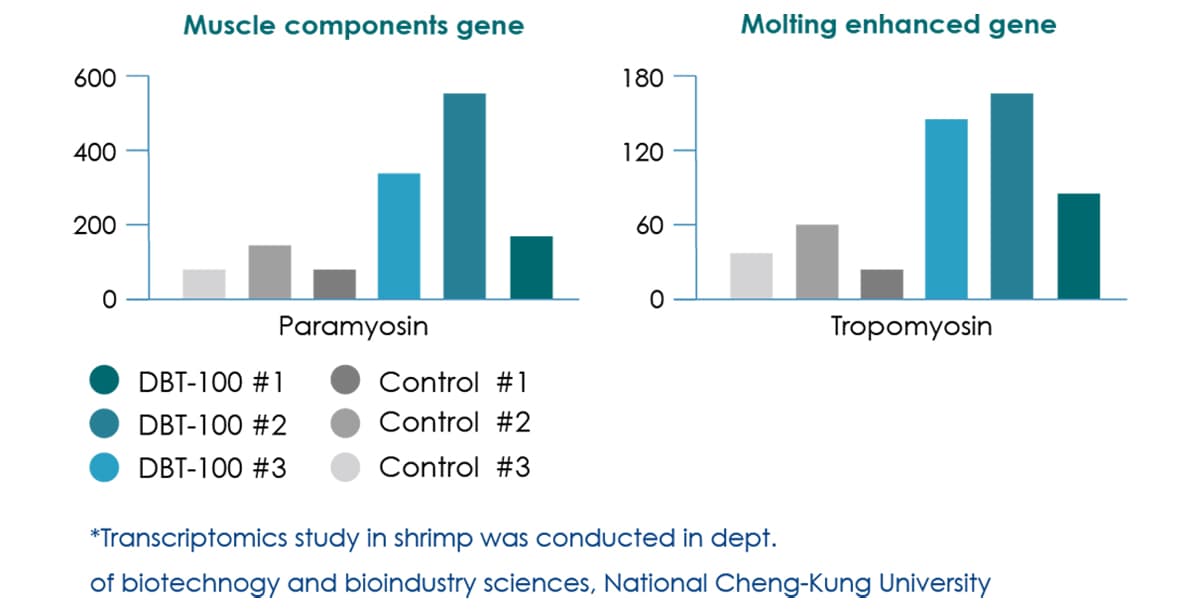
[Figure 2: Bar chart showing the expression levels of muscle and molting genes]
Left image (Paramyosin) 'Growth Gene'
Paramyosin is one of the main proteins that make up shrimp muscle. The taller the bar, the more active the gene is, and the stronger the shrimp's ability to build muscle. In the image, the three bars from dark blue to light blue represent the DBT-100 experimental group, and the three gray bars represent the control group (without supplementation). It can be clearly seen that the bars in the DBT-100 group are generally much taller than those in the control group, with the highest bar (DBT-100 #2, light blue bar, value approximately 550) being more than three times the highest value in the control group (approximately 150). This indicates that after supplementing with DBT-100, the shrimp's "muscle-building command" is significantly stronger.
Right image (Tropomyosin) 'Ectoplasty gene'
Unlike other animals that can grow continuously, shrimp must molt periodically to increase their size. Tropomyosin is closely related to the molting regulation mechanism; the more active this gene is, the more the shrimp "wants to molt" and the faster it grows. Similarly, it can be seen that the bars in the DBT-100 experimental groups (especially groups #2 and #3) were significantly higher than those in the control group, with the highest difference being approximately 5 times.
Experiment 2 | Immune Enhancement: Vibrio clearance rate increased by 2.88 times
The vertical axis represents the "Vibrio clearance rate (%)", which is the percentage of Vibrio bacteria that the shrimp's immune system can eliminate within a certain period of time. The higher this number, the stronger the shrimp's "self-healing ability" and "antibacterial fighting power".
The clearance rate of the gray column (commercial feed control group) was 28.9%—meaning that less than 30% of the Vibrio were cleared, while more than 70% remained in the shrimp's body and continued to cause harm.The clearance rate of the blue column (DBT-100 HT test group) reached 83.3%, with more than 80% of the Vibrio bacteria being eliminated by the shrimp's immune system.
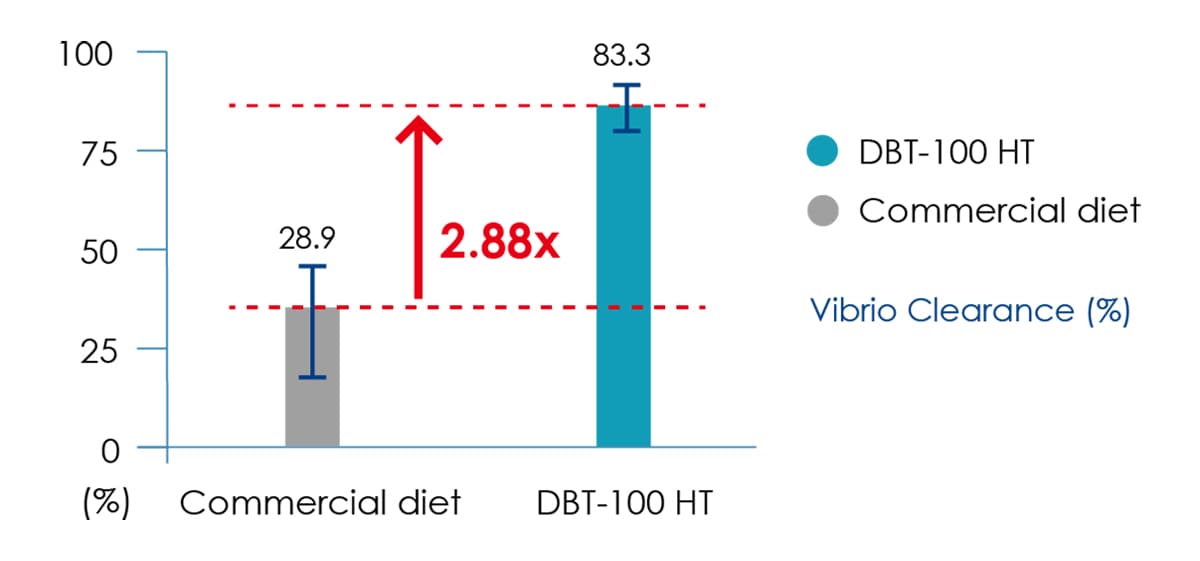
[Figure 3: Bar chart comparing Vibrio clearance rates]
The difference between the two groups is marked in large red letters in the graph: 2.88 times. The thin lines (error bars) next to the two bars represent the error range of the data. It can be seen that the error bars of the two groups do not overlap, which statistically indicates that this difference actually exists, rather than being a result of chance.Vibrio is the most common bacterial pathogen in aquaculture, and it is particularly dangerous, especially during hot seasons or when water quality is unstable.This data shows that shrimp that are supplemented with DBT-100 HT for a long time have a stronger self-defense capability when facing the threat of Vibrio.
Experiment 3 | Feed efficiency (FCR) decreased from 1.33 to 1.03
What is FCR? FCR (Feed-to-Rice Conversion Rate) means how many kilograms of feed are needed to make an animal gain 1 kilogram. The lower the FCR, the better. An FCR of 1.0 is ideal, meaning that an animal gains exactly 1 kilogram from 1 kilogram of feed. An FCR of 1.33 means that an animal needs to eat 1.33 kilograms of feed to gain 1 kilogram, resulting in a 33% waste of feed.
This experiment, conducted by the Department of Aquaculture at National Pingtung University of Science and Technology, involved the design and comparison of four feed formulations:
Pink column | Commercial feed only (control group): FCR = 1.33, the worst among the four groups.Blue-green bar | Commercial feed + 0.2% DBT-100 HT (On-Top addition): FCR = 1.03, best among the four groups, marked in red. Yellow-green bar | Replaces 5% fishmeal + 0.2% DBT-100 HT: FCR = 1.11. Golden bar | Replaces 10% fishmeal + 0.2% DBT-100 HT: FCR = 1.22. The letters above the bars (a, ab, b, c) are statistical markers: the differences between groups with different letters are statistically significant, meaning the difference is real, repeatable, and not coincidental.
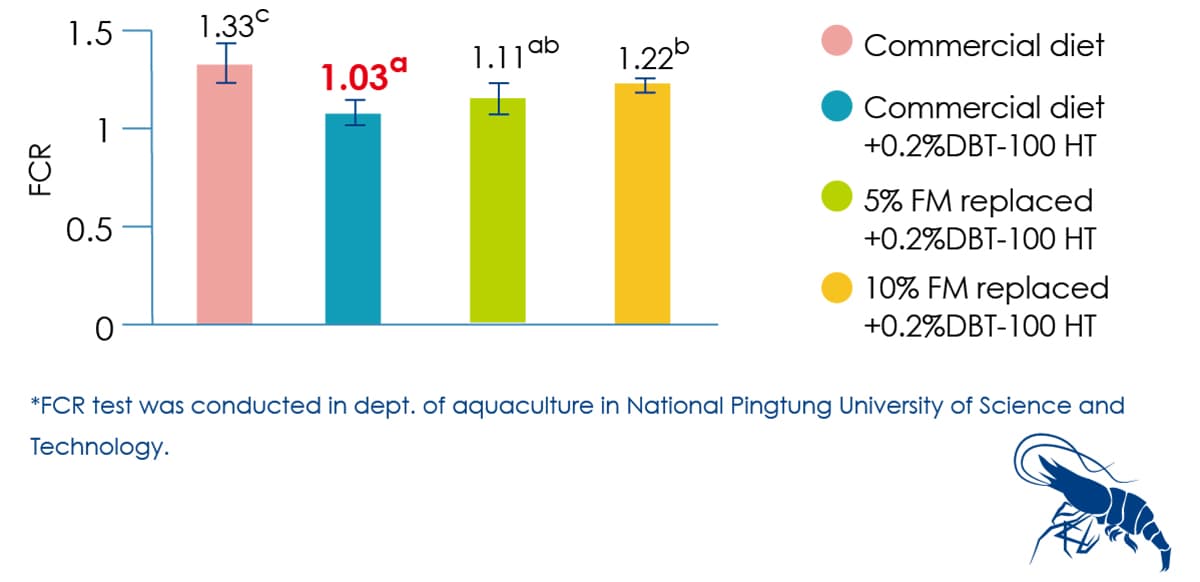
[Figure 4: Bar Chart Comparison of Feed Conversion Rate (FCR)]
This set of data conveys two important messages:
First, simply adding 0.2% DBT-100 HT to existing feed significantly improved the FCR from 1.33 to 1.03, which translates to a reduction of approximately 23% in feed input per metric ton of aquaculture production without changing other formulations. Second, even after replacing 5% or 10% of the fishmeal in the formulation (using cheaper alternative proteins), the FCR after adding DBT-100 HT was still better than the control group with no additions. This means that farmers can achieve two goals at once: reducing fishmeal usage to save on raw material costs, and maintaining or even improving overall feed efficiency through the addition of DBT-100 HT.
High-temperature process stability | Ensuring probiotics truly exert their effects
The pelleting process for aquatic feed typically reaches temperatures of 90–120°C, which is the death temperature for most probiotics. A common problem in the industry is that the number of probiotics indicated on the packaging is the number of raw materials "before pelleting," but after high temperatures, the actual number of surviving bacteria in the feed often shrinks significantly. Most of the benefits that aquaculture farmers pay for disappear in the factory.
Process stability tests of DBT-100 HT showed that after simulating standard feed pelleting conditions at 120°C, each gram of feed still maintained a spore count of over 10⁵ CFU (i.e., more than 100,000 live bacteria per gram of feed). Comparative tests of similar commercially available products revealed that some other brands' products, after the same process, had bacterial counts dropping to below 10³ CFU/g, a difference of hundreds of times compared to DBT-100 HT, and most competing products were unable to withstand high temperatures at all.
The significance of 10⁵ CFU/g lies in the fact that this is the minimum effective bacterial count threshold for probiotics to effectively colonize the intestines and exert their function of regulating gut microbiota. Products below this level, no matter how impressive their ingredient labeling, will have almost no usable live bacteria by the time they reach the intestines of shrimp and fish, thus significantly reducing their efficacy.
Application areas
DBT-100 HT can be widely used in various aquaculture systems, including:
- Shrimp farming (such as whiteleg shrimp)
- Fish farming (grouper, sea bass, milkfish, etc.)
- High-density recirculating aquaculture system (RAS)
Usage Recommendations
| project | illustrate |
| Recommended addition amount | Add 2 kg per ton of feed |
| How to use | Add directly to the feed formula (either directly or by adjusting the formula). |
| Fishmeal Substitution | Using 1000 g/mt, 1–10% of fishmeal in the feed formulation can be replaced with other ingredients while maintaining growth. |
| Product Type | powder |
| Packaging specifications | 25 kg/bag |
| Minimum shipment quantity | 1 ton |
| Save method | cool and dry place |
| Shelf life | 24 months |
| Countries that have already exported | India/Vietnam |
Frequently Asked Questions (Q&A)
Q1: Is DBT-100 HT a probiotic product or an epibiotic product? What are the differences between the two?
DBT-100 HT combines probiotics and postbiotics, making it one of the few aquatic health management products on the market with a dual-effect formula. The probiotics (BA207 live bacteria) colonize directly in the gut and competitively eliminate pathogens; the postbiotics (L022 metabolites) do not contain live bacteria but use bioactive substances produced by lactic acid bacteria fermentation to strengthen the intestinal barrier and regulate the immune response. Their mechanisms complement each other: probiotics provide "front-end defense," while postbiotics provide "systemic immune preparedness," resulting in a more comprehensive effect than using either mechanism alone.
Q2: Can DBT-100 HT replace antibiotics? How should it be used in antibiotic-free aquaculture?
DBT-100 HT is a nutritional health management supplement, not a drug, and therefore cannot replace therapeutic antibiotic treatment in the event of an outbreak. However, in terms of prevention strategies, DBT-100 HT is one of the most scientifically supported antibiotic alternatives: by maintaining gut microbiota balance and strengthening innate immunity, it reduces the likelihood of animal infection at the source, thus reducing reliance on antibiotics. For operators promoting antibiotic-free farming, organic aquaculture certification, or those needing to comply with drug residue regulations in export markets, DBT-100 HT can serve as a core feed component of their overall biosecurity strategy.
Q3: What percentage of fishmeal can DBT-100 HT replace?
Under experimental conditions, 1–10% of fishmeal in the feed formulation can be replaced by DBT-100 HT combined with other alternative proteins (such as chicken meal, soy protein concentrate, and soybean meal), and the growth performance is still better than that of pure commercial feed formulations without any added probiotics. The actual replacement ratio should be adjusted according to the farmed species, growth stage, and feed mill's formulation structure. It is recommended to consult DaBomb technical team for customized formulation evaluation.
Q4: Which aquatic animals is DBT-100 HT suitable for?
The trials and applications of DBT-100 HT cover shrimp (with whiteleg shrimp as the main validation species) and various fish species (grouper, sea bass, and other high-value fish species). The product is also suitable for intensive aquaculture models such as high-density recirculating aquaculture systems (RAS), and has more significant health management benefits, especially in areas with high stocking density and high water quality pressure.
Q5: Do the probiotics in DBT-100 HT remain active after high-temperature feed processing?
Yes. This is precisely the key difference between DBT-100 HT and most commercially available probiotic products. DBT-100 HT uses spore-forming probiotics (Bacillus liquefiedae BA207), whose spore structure gives it extremely strong heat tolerance. Actual test data shows that after a standard feed pelleting process at 120°C, DBT-100 HT still maintains a viable count of over 10⁵ CFU per gram of feed, meeting the level of bacteria required for effective colonization in the gut; in contrast, some commercially available competing products, after the same processing, are below 10³ CFU/g, a difference of up to a hundredfold.
Q6: How much can DBT-100 HT improve feed conversion ratio (FCR)?
According to experimental results from the Department of Aquaculture at National Pingtung University of Science and Technology, adding 0.2% DBT-100 HT directly to commercial white shrimp feed reduced the Free Rate of Change (FCR) from 1.33 in the control group to 1.03. In practical terms, this means that to produce the same weight of aquatic products, feed input can be reduced by approximately 23%. Even when 5–10% of the fishmeal in the formula was replaced with alternative protein, the FCR of the formula with DBT-100 HT (1.11–1.22) was still better than the control group without DBT-100 HT, demonstrating that cost reduction and efficiency improvement can be achieved simultaneously.
Q7: Is DBT-100 HT effective against WSSV (Vitiligo Virus)?
Yes. In a WSSV infection challenge trial of whiteleg shrimp, the experimental group supplemented with DBT-100 HT showed a significantly lower cumulative mortality rate compared to the control group, and the number of WSSV virus gene replications detected in the shrimp was significantly suppressed. WSSV is one of the most costly viral diseases in global shrimp farming, and currently there are no direct treatments; prevention and immune enhancement are the only effective strategies. DBT-100 HT reduces the risk of massive viral replication and spread after infection by enhancing the overall immunity of the host (rather than directly killing the virus), making it an effective auxiliary tool for the prevention and control of WSSV in shrimp.
Q8: What is the biggest difference between DBT-100 HT and general aquatic probiotic products?
The DBT-100 HT's differentiated advantages are concentrated in three aspects:
- The first is the dual-effect mechanism: it integrates live bacteria (probiotics) and metabolites (postbiotics) at the same time, while most competing products only have one of these mechanisms.
- Secondly, the high-temperature process survival rate: it maintains an effective bacterial count after granulation at 120°C, making it one of the few heat-resistant products in the industry that has passed actual testing and verification, ensuring that the labeled efficacy can be truly realized at the breeding end, and not just remain on the packaging.
- Thirdly, there is data-supported growth promotion: from gene expression levels (transcriptional studies at National Cheng Kung University) to FCR figures from aquaculture trials (National Pingtung University of Science and Technology), every benefit claim has verifiable and specific sources, rather than being a manufacturer's self-report.
For product samples, feed formulation consultation, or technical support, please contact us.Please feel free to contact DaBomb Protein Biotech Corp.