
- Home
- Products
- Nutrition and health care for economic animals
- Animal Products | Peptide Protein Series
- DaBomb peptide | Dabomb-P
Dabomb-P DaBomb peptide (for economic animal applications)
Functional fermented peptide protein raw materials for livestock and poultry
High digestibility × Gut stability × Health maintenance
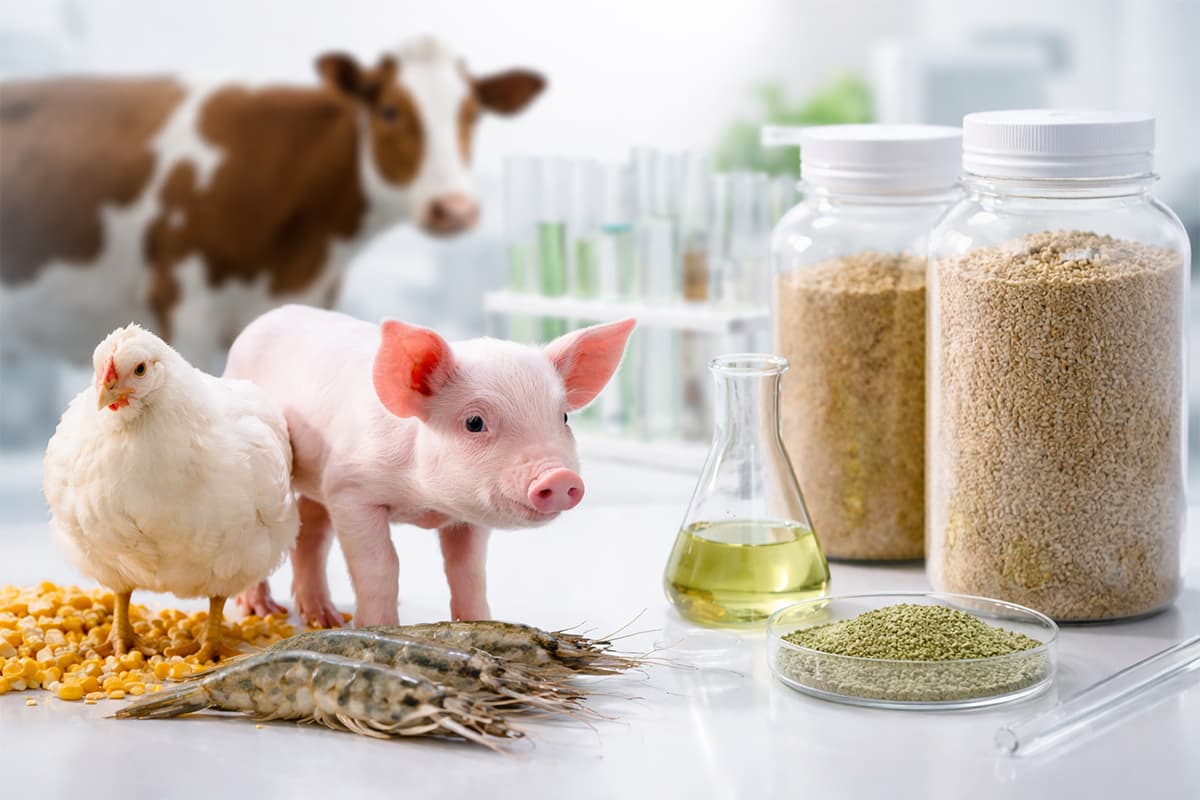
Why are traditional protein sources no longer sufficient in modern livestock and poultry farming?
The challenges facing modern intensive livestock and poultry farming have long surpassed the level of "whether there is enough protein," and have become issues of "protein quality and functionality." Piglets experience high weaning stress, leading to dramatic changes in their gut microbiota and a high risk of diarrhea; incomplete digestion of feed protein increases excretion and burdens the intestines; antigenic proteins in soybean protein trigger chronic inflammation, inhibiting growth efficiency; and strict regulations on antibiotic use further complicate health management. These four pain points are intertwined and cannot be solved by simply adjusting the amount of feed added. What is truly needed is a fundamental upgrade in protein quality. DaBomb -P's design logic responds precisely to this reality: through lactic acid bacteria fermentation and bio-hydrolysis processes, traditional plant proteins are upgraded into highly digestible proteins, low-antigenic proteins, and bioactive functional peptides, evolving protein raw materials from "nutritional sources" into "functional raw materials."
Product Introduction
DaBomb-P Livestock Version is a functional fermented soybean peptide protein raw material for livestock and poultry developed DaBomb Protein Biotech Corp. It is made from soybeans using lactic acid bacteria fermentation and bio-hydrolysis processes. It is the first pure plant-based functional small peptide product in Asia to pass ISO 22000 and SGS certifications.
The core of the process lies in breaking down more than 75% of the protein in soybean protein into small molecule peptides, of which the proportion of active small molecule peptides with less than 10kDa is as high as 18%. The in vitro digestibility reaches 93.8% in three hours and 95.3% in 16 hours, with an in vivo yield of about 95% (all certified by SGS third party). The protein utilization efficiency is close to that of fishmeal.
The fermentation process simultaneously produces natural organic acids (lactic acid content ≥5.0%), which effectively regulates the balance of intestinal flora; the low antigen protein characteristic significantly reduces the risk of chronic inflammation caused by feed, keeps the intestinal mucosa in good condition, and further improves the overall feed nutrient absorption efficiency.
Core Product Advantages
High digestibility, with an absorption efficiency of 93.8% within three hours.
More than 75% of the protein exists in the form of small molecule peptides, which can be directly absorbed by the intestines with almost no additional digestive energy consumption, resulting in a protein utilization rate that is significantly better than that of ordinary soybean meal.
Low antigenicity, reducing chronic intestinal inflammation
Soybean globulin and other antigenic proteins are the main sources of intestinal immune responses in feed. After fermentation and hydrolysis, the antigen content of DaBomb-P is greatly reduced. Experiments show that pro-inflammatory factors (interleukin IL-1β, IL-6) and allergy indicators (immunoglobulin IgE) are significantly lower than those of ordinary soybean protein, effectively reducing the chronic immune burden on the intestine.
Increase daily weight gain and feed intake of piglets
Field trials in Thailand showed that supplementing weaned piglets with DaBomb-P increased average daily weight gain by 11% and average daily feed intake by 6.4%, achieving significant growth acceleration without changing feeding management practices.
The survival rate of piglets reached 99.9%, and there was no diarrhea.
In the piglet trial, the survival rate of each supplemented group (5%, 10%, 15%) was over 99.9%, and no diarrhea was recorded during the trial, indicating that DaBomb-P has a comprehensive preventive and protective effect against the most common intestinal health challenges in weaning piglets.
Reduce protein waste and improve the farming environment
High digestibility means less unused protein enters the excrement, significantly reducing ammonia nitrogen waste and helping to improve air quality in the barns and reduce wastewater management stress.
Can be used in combination with probiotics or postbiotic formulas
As a functional protein base, DaBomb-P can be flexibly paired with DaBomb DBT-100 series probiotic postbiotic products to form a complete antibiotic-free aquaculture solution that combines "high-efficiency protein absorption + gut microbiota management + immune regulation".
Core Product Advantages
Small molecule peptides (over 75%)
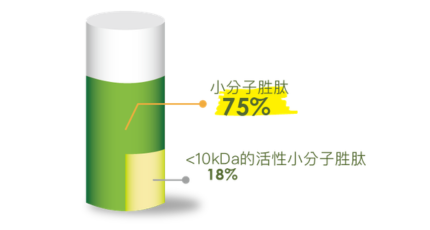
[Figure 1: DaBomb P-peptide component ratio diagram]
Small molecule peptides smaller than 30 kDa can bypass the digestive enzyme process and be directly absorbed by intestinal epithelial cells, achieving a digestibility rate of 93.8% within three hours in vitro. Among them, active small molecule peptides smaller than 10 kDa account for up to 18%, which can further bind to intestinal mucosal receptors and regulate intestinal immune and barrier functions. Their low anti-nutritional molecule structure reduces the extra burden on the intestines, allowing all absorbed energy to be used for growth.
Reduce antigenicity
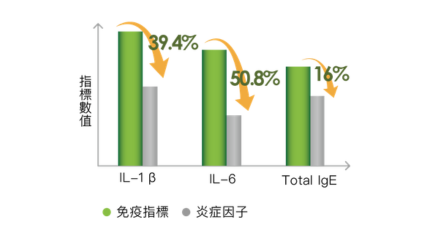
[Figure 2: Comparison of Inflammatory Factors and Allergy Indicators]
Glycoglobulin, a component of traditional soy protein, is a major source of antigens that cause chronic intestinal inflammation in young animals. DaBomb-P, through lactic acid bacteria fermentation and hydrolysis, effectively degrades these large-molecule antigens, thereby reducing the expression of pro-inflammatory factors. Simultaneously, it helps maintain the pre-intestinal immune system in an appropriate responsive state without overactivation, reducing unnecessary immune depletion.
Organic acid regulation
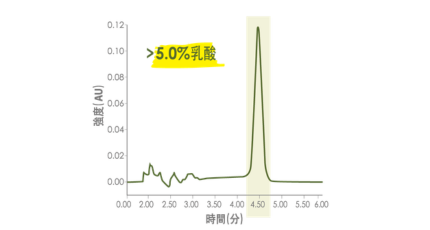
[Figure 3: Graph of lactic acid quantitative analysis by high performance liquid chromatography]
The natural L-lactic acid (≥5.0%) produced during fermentation can maintain the balance of intestinal flora, improve the digestive environment, and increase the palatability of feed, which helps to enhance the animal's willingness to eat independently.
Research data and experimental results
Experiment 1 | 94% Digestibility: Third-Party Certified Protein Absorption Guarantee
This official third-party testing report issued by SGS Taiwan is a reliable source of digestibility data for the DaBomb-P livestock product. SGS is one of the world's most reputable independent testing and certification organizations, and its reports have complete report numbers and dates, ensuring data traceability and verification.
The tested sample, "Lactic Acid Bacteria Hydrolyzed Peptides," was quantified using an in vitro digestibility method—in a laboratory setting under standardized conditions to simulate the digestive environment of an animal's intestine, the proportion of protein broken down and released was determined. The report clearly indicates a result of 94% on the right, corresponding to the 93.8% in vitro digestibility indicated in the DM (the decimal difference is due to different measurement conditions).
The significance of this figure is that the in vitro digestibility of soybean meal is usually between 60 and 75%, while DaBomb-P has a digestibility of 94%, which is close to the protein utilization level of fishmeal. This means that when farmers add the same amount of protein to the feed formula, they can get more protein that is actually absorbed and utilized by animals, directly improving feed efficiency and reducing protein waste.
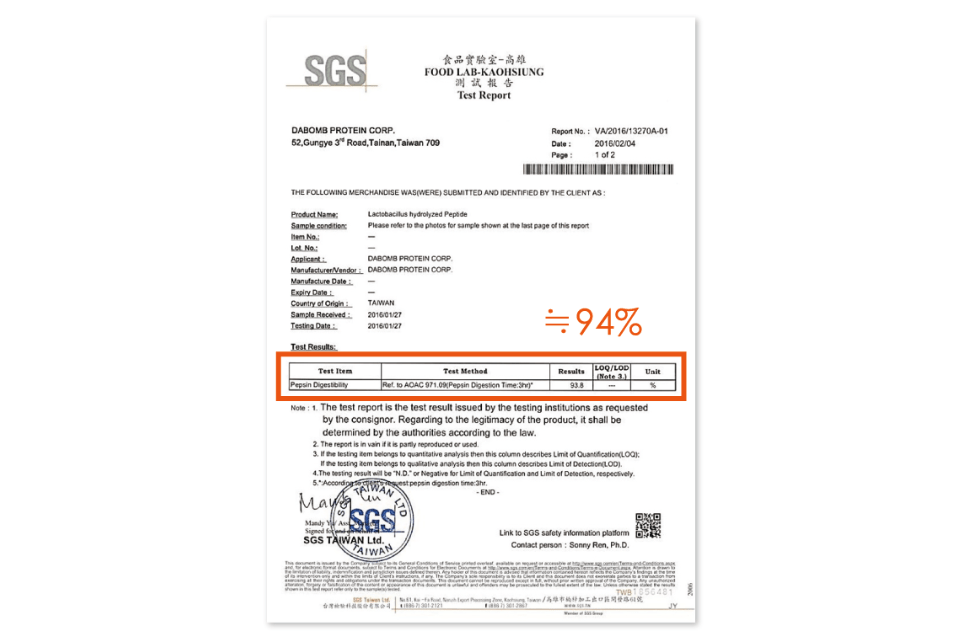
[Figure 4: SGS Taiwan Official Digestibility Test Report]
Experiment 2 | Comparison of Peptide Bubble Cylinders: A Visual Display of Small Molecule Peptide Content
This set of comparison images uses an intuitive physical demonstration method: equal amounts of regular soybean meal (left graduated cylinder) and DaBomb-P (right graduated cylinder) are dissolved in water, shaken, and left to stand, and the amount of foam produced is observed.
Foam formation is directly related to the content of small molecule peptides. Due to their unique hydrophilic molecular structure, small molecule peptides produce a stable foam layer on the liquid surface when they come into contact with water and are agitated. The higher the peptide content, the stronger the foaming ability, the thicker and more durable the foam layer. This phenomenon is a commonly used rapid preliminary method for assessing the degree of protein hydrolysis in food science and feed analysis.
As can be clearly seen from the image, the foam layer in DaBomb measuring cylinder on the right is significantly higher than that in the regular soybean meal on the left. The image is labeled: "The amount of peptide foam is much higher than that of regular products." This visual difference is a direct reflection of the fundamental difference between DaBomb-P and regular soybean meal in terms of small molecule peptide content (over 75%)—not just a difference in data, but a structural difference that is visible to the naked eye in a test tube.
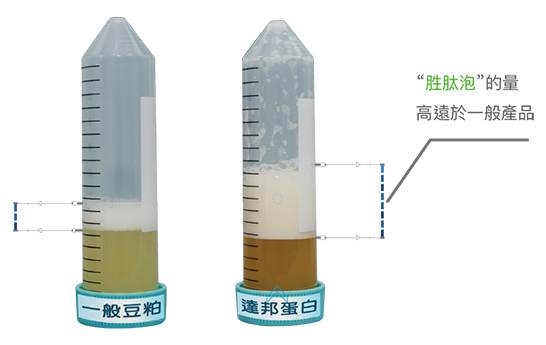
[Figure 5: Comparison of regular soybean meal vs. DaBomb peptide in graduated cylinder]
Experiment 3 | Lactic acid content ≥5%: Functional quality assurance for instrument-based quantitative analysis
This image is a chromatographic spectrum obtained from the quantitative analysis of the chemical composition of DaBomb-P using high-performance liquid chromatography (HPLC). The horizontal axis represents time (minutes), and the vertical axis represents the intensity of the detected signal (absorbance). When the instrument detects the passage of a specific compound, a peak will be generated at the corresponding time point—the larger the peak area, the higher the concentration of that component.
The main peak, marked in green in the graph, appears at approximately 4.4 minutes, which is the standard residence time for L-lactic acid. The lactic acid content calculated from the peak area is above 5.0%, consistent with the product specifications, and can be objectively verified for each batch using instruments.
Lactic acid plays a multifaceted role in the gut microbiota of livestock and poultry: it lowers the local pH level of the intestines, inhibiting the growth of alkalophilic pathogens such as Escherichia coli and Salmonella; it provides the metabolic energy needed by intestinal epithelial cells, helping to maintain the integrity of the intestinal wall; and it has a positive impact on feed palatability, helping to increase the animal's voluntary feed intake. A stable lactic acid content of over 5% ensures consistent and reliable gut health regulation across every batch of products.
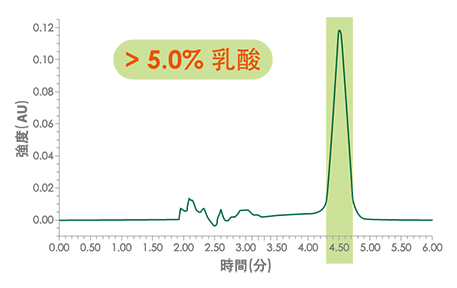
[Figure 6: Graph of lactic acid quantitative analysis by high performance liquid chromatography]
Experiment 4 | Reducing Antigenicity: Pro-inflammatory Factors and Allergy Indicators Decrease Simultaneously
Experimental data show that, compared with regular soy protein, DaBomb-P significantly improves key immune-inflammatory markers:
- Pro-inflammatory factors (interleukins IL-1β and IL-6) were significantly reduced. IL-1β and IL-6 are pro-inflammatory signaling molecules secreted by the immune system after the intestine is stimulated by antigenic proteins. Prolonged elevated levels indicate a persistent low-grade chronic inflammation in the intestine, which is one of the most common negative effects of traditional soy protein on the intestines of young animals. Both indicators were significantly lower in the experimental group compared to the control group, reflecting that the low-antigenic structure of DaBomb-P indeed reduces the immune burden on the intestine.
- Allergy markers (immunoglobulin E) decreased simultaneously. IgE is a core mediator of allergic reactions in the body, and its high concentration indicates that the animal's immune system is overreacting to feed components. The IgE level in the experimental group was also lower than that in the control group, indicating that the low antigenicity of DaBomb-P can effectively reduce unnecessary stimulation of the animal's immune system by feed protein, allowing immune energy to be reserved for the pathogen threats that truly need to be addressed.
[Figure 7: Comparison of Inflammatory Factors and Allergy Indicators]
Experiment 5 | Gut Health: Improved intestinal villi structure and substantial increase in absorption area
Microscopic images of intestinal tissue showed that after adding DaBomb-P to the feed to replace part of the animal protein, the intestinal villi structure of livestock and poultry was significantly more intact, the absorption area was increased, and the intestinal burden was reduced.
Intestinal villi are densely packed finger-like projections on the intestinal mucosa, forming the core structure for nutrient absorption. The taller and more intact the villi, the larger the surface area available for absorption, resulting in higher absorption efficiency of protein, energy, and trace elements from feed. The antigenic proteins in traditional soybean protein can chronically irritate the intestinal wall, easily leading to villi damage and atrophy. DaBomb-P's low antigenicity fundamentally eliminates this chronic irritation, allowing the intestinal villi to maintain their structural integrity in a better environment, directly improving feed conversion efficiency.
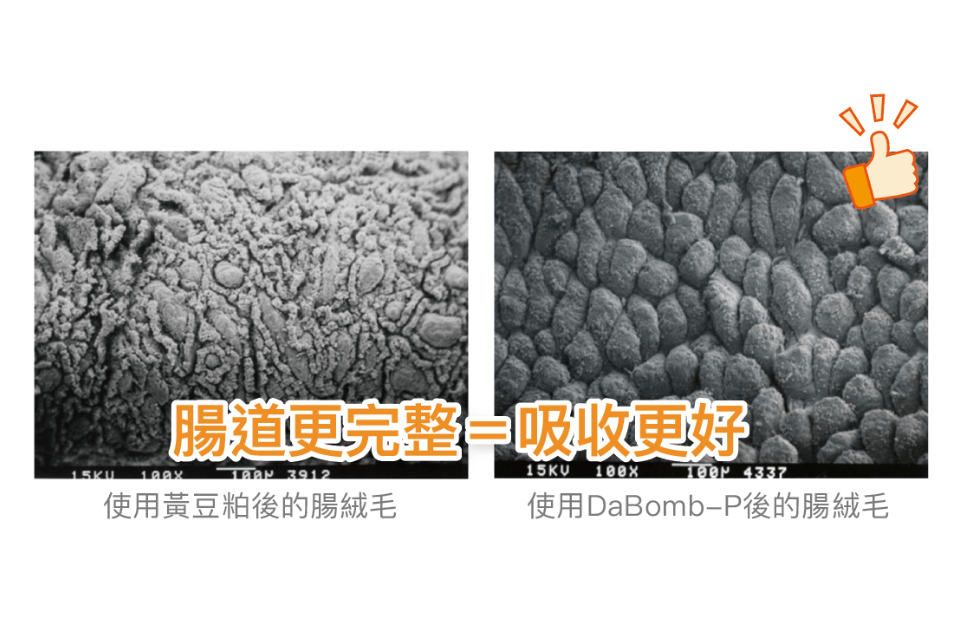
[Figure 8: Microscopic images of intestinal tissue]
Experiment 6 | Thai Weaning Piglet Trial: Daily weight gain +11%, feed intake +6.4%
Data from a field trial of weaned piglets in Thailand provides important field evidence of the effectiveness of the livestock version of DaBomb-P. The trial was conducted on a pig farm in Thailand, comparing the experimental group (with 15% DaBomb-P added to their feed) with a control group (with normal feed).
- Average daily weight gain (ADG): The experimental group showed an 11% increase compared to the control group—meaning that, over the same number of feeding days, pigs supplemented with DaBomb-P gained an average of 11% more weight per day.
- Average daily feed intake (ADFI): The experimental group increased by 6.4% compared with the control group. An increase in spontaneous feed intake usually reflects an improvement in feed palatability and digestive comfort, which is a positive signal of good overall intestinal condition in animals.
The significance of these two data points is that DaBomb-P not only makes feed protein "better digestible," but also improves the overall gut environment, thereby boosting animals' willingness to eat and their growth drive, allowing farmers to reach their slaughter weight target earlier without increasing the number of feeding days.
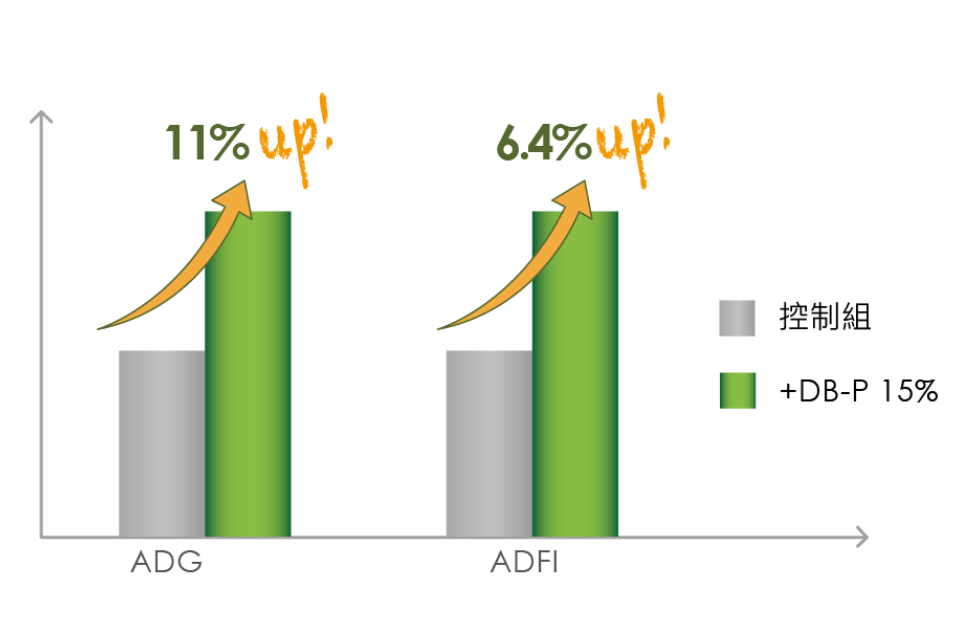
[Figure 9: Growth Indicators of Weaned Piglets]
Experiment 7 | Piglet survival rate 99.9%, no diarrhea recorded.
The results of the piglet trial demonstrated the protective effect of DaBomb-P during the high-risk weaning period. The trial was designed with multiple addition ratios (5%, 10%, 15%), and the survival rate of piglets in each group reached over 99.9%, with no diarrhea recorded during the trial.
The background of this data is worth explaining: the first two weeks after weaning are the period with the highest mortality and morbidity rates in the entire life cycle of piglets. Bacterial diarrhea, enteritis, and growth retardation all occur during this period, and in actual farming, the mortality rate during this stage is often a key indicator of the level of farming management. Maintaining a 99.9% survival rate with no diarrhea records under different supplementation ratios indicates that DaBomb-P provides stable and effective intestinal protection during this most vulnerable growth window.
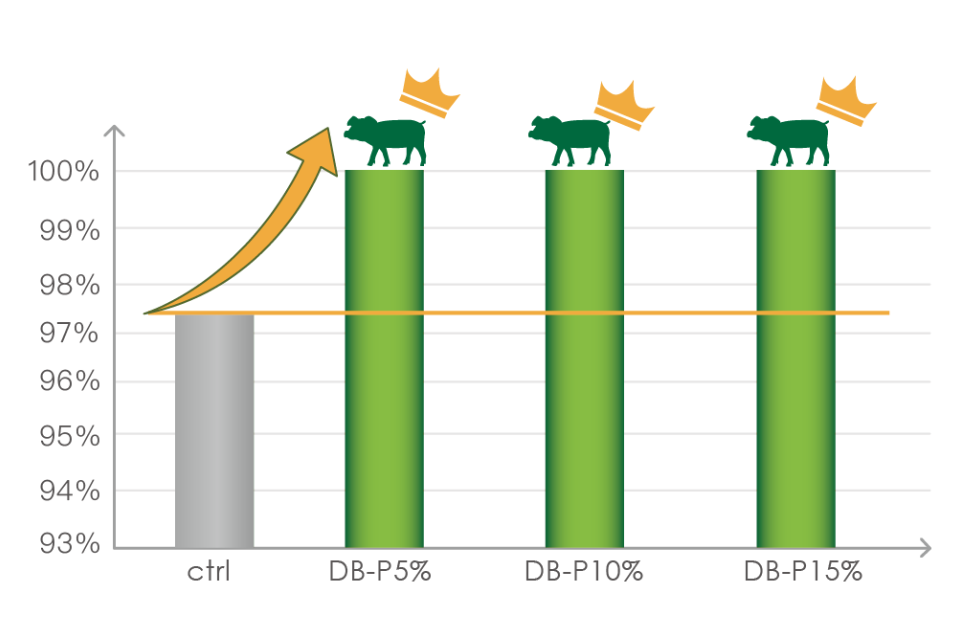
[Figure 10: Survival rate chart of piglets in the experiment]
Application areas and recommended usage
DaBomb-P Livestock Edition is suitable for all stages of pig and poultry rearing:
| Species | Recommended usage (kg/metric ton of feed) |
| Weaned piglets | 50–100 |
| sow | 25–50 |
| Poultry | 25–50 |
| laying hens | 50–75 |
Application method:
- Replace some fishmeal or expensive animal protein raw materials
- Functional feed formulation upgrade
- Protein-based components designed with antibiotic-free aquaculture formulation
- Can be used in conjunction with DBT-100 series probiotics and postbiotics.
Product Specifications
| project | illustrate |
| Type | powder |
| crude protein content | ≥51% |
| Small peptide content | ≥18% |
| lactic acid content | ≥5% |
| Quality Certification | ISO 22000, SGS International Certification |
| Shelf life | 24 months |
| Minimum shipment quantity | 1 ton |
| Countries that have already exported | Vietnam / Malaysia / Philippines / Myanmar / South Korea / Japan |
Frequently Asked Questions (Q&A)
Q1: What are the differences between the livestock and aquatic versions of DaBomb-P?
Both products utilize the same lactic acid bacteria fermentation peptide protein process and core technology. The main differences lie in the optimized application targets and the species covered in the experimental data. The livestock version's experimental data covers weaned piglets (daily weight gain, survival rate, diarrhea prevention), sows, and poultry, with recommended usage based on the growth stage of different species. The aquaculture version primarily uses white shrimp, grouper, and sea bass as validation species, focusing on high-proportion fishmeal replacement, intestinal absorption area, and water quality management. Both products are essentially identical in terms of specifications (digestibility, lactic acid content, and small peptide ratio).
Q2: How does DaBomb-P reduce the antigenicity of soy protein?
Glycoglobulin in traditional soy protein is a major source of antigens that trigger chronic intestinal inflammation and allergic reactions in young animals. DaBomb-P, through a lactic acid bacteria fermentation and hydrolysis process, breaks down these large-molecule antigenic proteins into smaller peptides, thus eliminating their ability to trigger an immune response. Experimental data show that after DaBomb-P supplementation, the levels of pro-inflammatory intestinal factors (interleukins IL-1β and IL-6) and allergy markers (immunoglobulin IgE) were significantly lower than in the conventional soy protein group. This reflects that the unnecessary stress response of the immune system to feed protein was effectively suppressed, allowing the intestines to maintain a calmer and more efficient absorption state.
Q3: How effective is DaBomb-P in protecting piglets during the weaning period?
Weaning is the most vulnerable stage in the entire pig life cycle. Drastic gut microbiota remodeling, withdrawal of sow's immunity, and feed transition occur simultaneously, leading to peak bacterial diarrhea and mortality rates. DaBomb-P trials showed that at three different addition ratios of 5%, 10%, and 15%, piglet survival rates all exceeded 99.9%, with no diarrhea observed. In a field trial in Thailand, weaning piglets showed an 11% increase in daily weight gain and a 6.4% increase in feed intake. These data demonstrate that DaBomb-P, through its highly digestible protein, low antigenic stimulation, and lactic acid-based gut protection, provides comprehensive gut health protection for piglets during the weaning transition.
Q4: What percentage of fishmeal or animal protein can DaBomb-P replace?
DaBomb-P is designed as a functional protein feedstock to partially replace fishmeal and high-priced animal proteins, rather than to completely replace them. The specific replacement ratio varies depending on the species, feeding stage, and overall protein structure of the formula. It is generally recommended to collaborate with DaBomb technical team for customized formulation assessments. The recommended usage range for the livestock version is 50–100 kg/metric ton of feed for weaned piglets, 25–50 kg/metric ton for sows and poultry, and 50–75 kg/metric ton for laying hens, which can serve as a preliminary reference for formulation planning.
Q5: How is the protein digestibility of DaBomb-P measured? Is there any third-party certification?
The protein digestibility of DaBomb-P is 94%, as confirmed by a formal third-party testing report issued by SGS Taiwan (report number VA2016/13270A-01). The report uses a standardized in vitro digestibility method for quantification, and the data is traceable and verifiable, not the manufacturer's own testing. Furthermore, the data for 93.8% in vitro digestibility after three hours, 95.3% after 16 hours, and 95% in vivo yield also come from the same or complementary validation experiments. Choosing a third-party organization to issue formal reports reflects DaBomb Protein Biotech Corp. fundamental commitment to data transparency.
Q6: Can DaBomb-P be used in antibiotic-free feeding strategies?
Yes, DaBomb-P is one of the core protein ingredient options for antibiotic-free feeding solutions. It contains no antibiotics or drugs, reducing the digestive burden on the gut through highly digestible protein, minimizing chronic immune stimulation through low antigenicity, and maintaining gut microbiota balance through natural lactic acid, providing fundamental support for gut health from the perspective of feed protein quality. For pig and poultry farms implementing antibiotic-free or reduced-antibiotic feeding practices, DaBomb-P can be paired with DaBomb DBT-100 series of probiotic postbiotic products to form a complete antibiotic-free solution from gut protection to immune regulation.
Q7: What specific experimental evidence supports the effect of DaBomb-P on improving gut health?
DaBomb-P's improvement in gut health is supported by multi-level data. Microscopic intestinal tissue sections show that DaBomb-P supplementation resulted in more intact intestinal villi structure, increased absorptive area, and reduced intestinal burden. Inflammatory markers (IL-1β, IL-6) and allergy markers (IgE) were lower than those in the general soybean meal control group, indicating effective control of chronic immune stimulation in the gut. No diarrhea was recorded throughout the piglet trial, further reflecting the overall improvement in gut health. These multi-level data, ranging from molecular indicators to tissue morphology and clinical manifestations, collectively constitute the complete scientific basis for DaBomb-P's gut health benefits.
Q8: Can DaBomb-P and DaBomb 's DBT-100 series probiotic postbiotics be used together?
Yes, and using them together can produce complementary synergistic benefits. DaBomb-P, as a high-quality protein base, provides the efficient supply of nutrients needed for intestinal absorption and reduces the basic immune burden on the intestines through its low antigenicity. The DBT-100 series (LS, SW, or PL, depending on the species) further regulates the intestinal flora balance, inhibits specific pathogens, and strengthens the immune response. One focuses on "protein quality," and the other on "flora management and immune regulation," forming a complete antibiotic-free aquaculture nutrition strategy of "good nutrition, good absorption, intestinal health, and stable immunity."
Technical Consulting & Sales - DaBomb Protein Biotech Corp. Co., Ltd. / Taiwan Distributor - Kuo-Huan Enterprise
For product samples, feed formulation consultation, or technical support, please feel free to contact us.