
- Home
- Products
- Nutrition and health care for economic animals
- Animal Products | Peptide Protein Series
- Bailu Peptide | DaBomb-PT
DaBomb-PT Bailuopeptide
Functional protein raw materials of active flavor peptides and antimicrobial peptides for piglets
Plant-based plasma replacement therapy × High feed intake inducement × Gut antibacterial protection
Product Introduction
DaBomb-PT is a high-functional peptide protein raw material developed DaBomb Protein Biotech Corp. for the weaning and lactation stages of piglets. It has two core characteristics: active flavor peptides (enhancing feed intake) and antimicrobial peptides (inhibiting intestinal pathogens). It is a high-quality plant-based alternative to animal plasma proteins in the early growth management of pigs.
Generally, peptide products often produce a noticeable bitter taste after protein hydrolysis due to the exposure of nonpolar amino acid ends, which affects piglets' willingness to eat. DaBomb-PT uses DaBomb proprietary probiotic and specific enzyme formula to precisely control the protein cleavage sites during fermentation and hydrolysis, giving the final product unique flavor peptide segments—combined with phenolic compounds (such as cinnamic acid and carvacrol) produced during fermentation—providing piglets with dual positive stimulation of smell and taste, significantly improving the feeding incentive effect.
At the same time, specific antimicrobial peptides produced in the same batch of fermentation and hydrolysis process can competitively eliminate pathogens in the intestines and directly inhibit the growth of Escherichia coli, Salmonella and Clostridium perfringens, thus meeting the dual needs of feed intake performance and intestinal health.
Product Introduction
Significantly increases feed intake in piglets, replacing animal plasma protein
Preference trials showed that piglets fed a nursery diet with DaBomb-PT replacing 50% fishmeal consumed 136% more feed than the control diet. Feed intake in the lactation diet trial was also significantly better than that of the control diet (1427 vs 605 grams), indicating that DaBomb-PT can effectively fill the gap in the function of animal plasma proteins in inducing feed intake.
The in vitro antibacterial rate is as high as 93% or more (5 hours).
Independent test data from the Taiwan Animal Science and Technology Research Institute shows that DaBomb-PT has a bactericidal rate of over 92% against Escherichia coli and Salmonella within 5 hours, and a bactericidal rate of 72-78% against Clostridium perfringens (the pathogen of necrotizing enteritis), demonstrating clear in vitro antibacterial ability.
Strengthen piglets' immunity and increase protective antibodies.
Experimental data showed that the concentrations of immunoglobulin IgG and intestinal secretory immunoglobulin IgA in the serum of piglets were significantly increased after DaBomb-PT supplementation compared with the normal diet group, indicating that the systemic and intestinal local immune defense capabilities of piglets were simultaneously enhanced.
Thailand field trial: Daily weight gain increased by up to 11%
A weaning piglet trial conducted by Khon Kaen University in Thailand showed that the experimental groups supplemented with 5%, 10%, and 15% DaBomb-PT had an average daily weight gain that was 5.5%, 9.5%, and 11.0% higher than the control group, respectively, and the survival rate of each group was also improved.
Plant-based, meeting antibiotic-free and clean labeling requirements.
Made with plant-based soybeans, it contains no animal-derived ingredients, drugs, or growth-promoting antibiotics, making it suitable for farms promoting antibiotic-free farming, organic pork certification, and those that need to comply with drug residue regulations for export markets.
Technical Principles | Dual Source of Flavor Peptides and Antimicrobial Peptides
DaBomb-PT's functionality comes from a precise hydrolysis process using specific probiotic and enzyme formulations:
Using hulled soybean flour as raw material, it undergoes deep liquid bacterial enzyme fermentation with LA352 probiotics under high moisture (70%) conditions, and is then combined with a specific enzyme formula to precisely cut specific peptide segments of soybean protein. The key to this process is "specificity": unlike peptide products that generally use broad-spectrum hydrolytic enzymes, DaBomb-PT's enzyme formula selectively retains specific peptide fragments with flavor-enhancing and antibacterial activities, rather than uniformly cutting the protein into a non-specific mixture of small peptides.
The phenolic compounds produced during fermentation (including cinnamic acid, carvacrol, and other plant metabolites with distinctive aromas) give the product a unique aroma, providing additional olfactory enticement signals to piglets. Finally, low-temperature drying, pulverization, and packaging preserve the active functional components completely.
Technical Principles | Dual Source of Flavor Peptides and Antimicrobial Peptides
Experiment 1 | Feed intake: Both creep feed and suckling feed significantly outperformed.
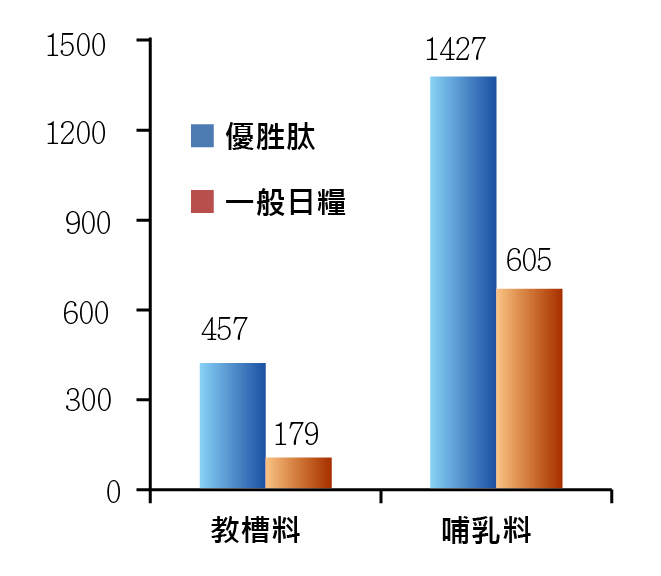
This chart shows the difference in actual feed intake of piglets for DaBomb-PT formulation (blue bars, labeled "superpeptides") and regular diet formulation (orange bars) under two different feed forms for different purposes. Feed intake is the most direct indicator of feed enticement effectiveness—how much piglets eat is how they vote with their feet (and mouths).
Left side – Creep feed (for training suckling piglets to eat solid feed): The DaBomb-PT formula has an intake of 457 grams, while the normal diet group has 179 grams, a difference of approximately 2.55 times. The purpose of creep feed is to help suckling piglets learn to eat solid feed earlier, preparing them for weaning; the higher the feed intake, the better the piglets have established solid feed eating habits before weaning, which can effectively reduce weaning stress.
Right side – Lactation feed (supplementary feed used by sows during lactation): The intake of the DaBomb-PT formula reached 1427 grams, while the normal diet group was 605 grams, a difference of more than 2 times, corresponding to the results of the PDF preference test (+136%). This data shows that DaBomb-PT exhibits significantly better feed-enhancing effects than the normal diet in the two most critical feed use scenarios in the early growth of piglets, directly reflecting the positive stimulation of olfaction and taste by flavor peptides and phenolic compounds.
[Figure 1: Bar chart of glutathione vs. typical daily feed intake]
Experiment 2 | Antibacterial Mechanism: Competitive Elimination at the Intestinal Receptor Level
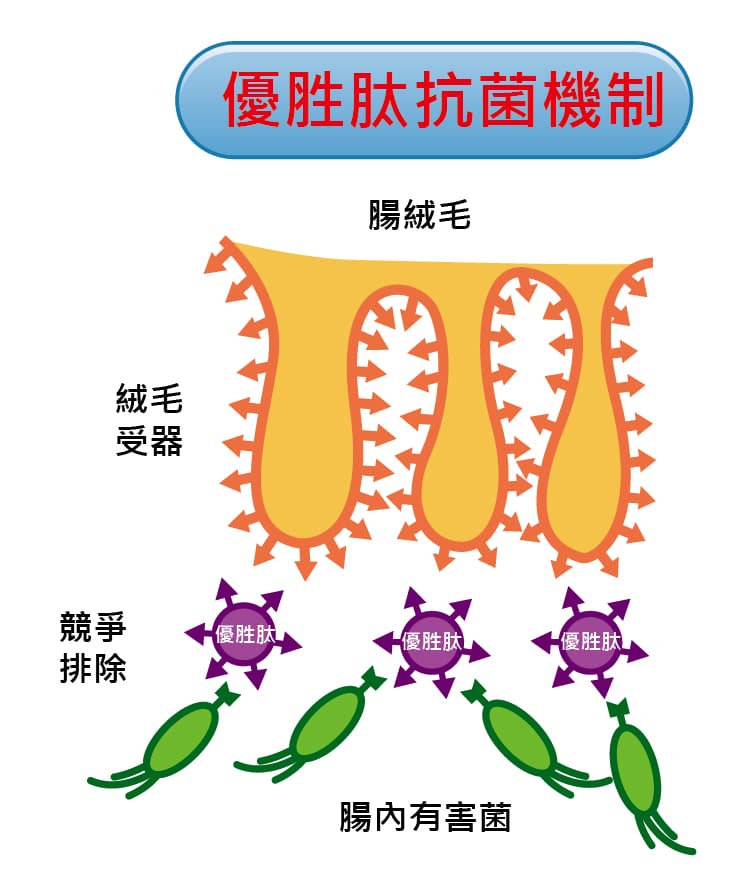
This diagram illustrates the core mechanism by which the antimicrobial peptides in DaBomb-PT exert their protective effect in the gut, with the title clearly indicating "Antibacterial Mechanism".
The upper half of the image is an enlarged cross-section of intestinal villi (orange finger-like projections). The surface of the villi is densely covered with villi receptors (indicated by arrows)—these are special protein structures on the intestinal mucosa that allow substances to attach and recognize each other, and are also the main "entry points" for pathogens to infect the intestinal wall. Pathogens must first attach to the villi receptors before they can further invade intestinal cells and cause infection.
The lower half of the diagram illustrates the competitive exclusion mechanism: DaBomb-PT's active antimicrobial peptides (purple spheres, labeled "superior peptides") bind to villous receptors first, filling all the sites where pathogens can attach; the harmful intestinal bacteria at the bottom of the diagram (green bacteria illustration) cannot contact the intestinal wall because their receptors have been occupied by the antimicrobial peptides, thus blocking the infection route in advance.
The key to this mechanism lies in "preemptive positioning": DaBomb-PT's antimicrobial peptides do not only exert their effects after pathogen infection, but rather preemptively occupy adhesion sites in the gut, physically preventing pathogens from establishing an infection bridgehead. This is an antibiotic-free gut protection strategy, and the basis for DaBomb-PT's substantial gut protective effect in antibiotic-free aquaculture.
[Figure 2: Schematic diagram of the mechanism by which antimicrobial peptides competitively eliminate harmful bacteria in the gut]
Experiment 3 | Antibacterial rate data: Killed over 90% of pathogens within 5 hours
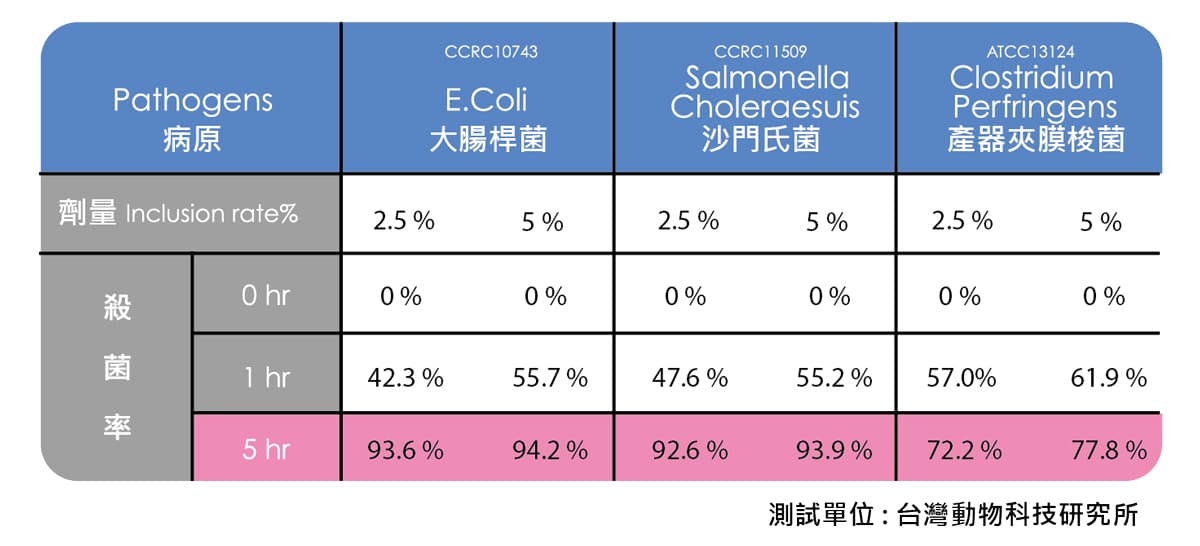
This table presents the results of the DaBomb-PT in vitro antibacterial rate test conducted by the Taiwan Animal Science and Technology Research Institute. The test was conducted on three of the most common intestinal pathogens in piglet farming, with two addition concentrations of 2.5% and 5%, and the bactericidal rate was recorded after 1 hour and 5 hours of exposure.
- Escherichia coli (strain CCRC10743): After 1 hour of exposure, a 2.5% dose achieved a 42.3% bactericidal rate, and a 5% dose achieved 55.7%; after 5 hours, the bactericidal rates for both doses reached 93.6% and 94.2% respectively—more than 93% of E. coli were eliminated within 5 hours. E. coli is the most important pathogen of post-weaning bacterial diarrhea in piglets (white scours and yellow scours), and this figure represents DaBomb-PT's strong in vitro bactericidal ability against this core threat of weaning diarrhea.
[Figure 3: Data Table of In Vitro Antibacterial Rate Test by Taiwan Institute of Animal Science]
- Salmonella (strain CCRC11509): 1-hour kill rate of 47.6% at a 2.5% dose and 55.2% at a 5% dose; after 5 hours, the kill rates reached 92.6% and 93.9% respectively, both exceeding 92%. Salmonella not only harms pig health but is also the most concerning zoonotic pathogen for pork food safety. This data has dual significance for both livestock health and food safety management.
- Clostridium perfringens (strain ATCC13124): 1-hour bactericidal rates were 57.0% (2.5% dose) and 61.9% (5% dose); after 5 hours, they reached 72.2% and 77.8%, respectively. Clostridium perfringens is one of the main pathogens causing necrotic enteritis in pigs, and can cause severe intestinal hemorrhage and necrosis in piglets. Although the 5-hour bactericidal rate (72–78%) is lower than the previous two bacteria, it is still within the effective inhibition range. This report was issued by the Taiwan Animal Science and Technology Research Institute, a neutral national-level research institution, ensuring the objectivity of the data and representing one of the most convincing direct scientific evidences of the antibacterial efficacy of DaBomb-PT.
Experiment 4 | The Fundamental Difference Between a Sick and a Healthy Gut
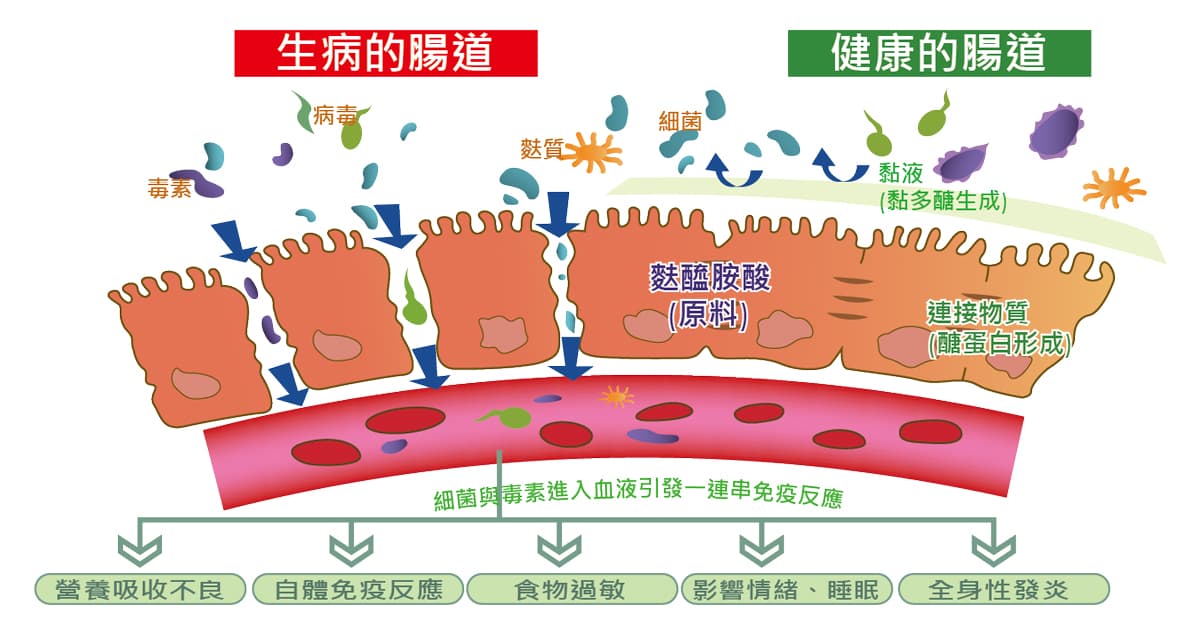
This comparative diagram illustrates the structural differences in the intestinal mucosa between healthy and damaged states, and how damage can trigger a chain of systemic health problems. Understanding this diagram helps explain why gut health is so crucial in the early growth management of piglets.
Right side (healthy gut): A healthy intestinal mucosa has two important protective mechanisms. The first is the mucus layer: specialized cells in the intestinal wall continuously secrete mucopolysaccharides, forming a viscous protective film on the intestinal wall surface, physically preventing viruses, bacteria, and toxins from directly contacting the intestinal epithelial cells. The second is junctional substances (glycoproteins): adjacent intestinal wall cells are firmly connected by tight junction proteins, forming a water-impermeable barrier to prevent intestinal contents from leaking into the bloodstream.
[Figure 4: Diagram comparing the intestinal barrier function of a diseased gut versus a healthy gut]
Left side (sick intestine): When the intestine is continuously attacked by pathogens, toxins, or antigenic proteins, intestinal cells consume large amounts of glutamic acid (the main energy source for intestinal cells) to maintain defense. Over time, energy depletion occurs, mucus secretion decreases, tight junction proteins loosen, and gaps appear in the intestinal wall barrier (i.e., "leaky gut"). At this time, viruses, bacteria, toxins, and large molecular antigenic proteins can pass through the damaged intestinal wall and enter the bloodstream, triggering a series of systemic problems as shown in the lower part of the diagram: malabsorption (nutrients are lost despite consuming feed), autoimmune reactions (the immune system mistakenly attacks its own tissues), food allergies (undigested large molecular proteins enter the bloodstream and trigger allergies), affect mood and sleep (imbalance of the enteric nervous system), and most seriously, systemic inflammation.
For piglets, the weaning period is the most vulnerable time for their intestines to develop a "sick gut" state. Soybean antigens in feed, sudden bacterial regeneration, and pathogens taking advantage of the vulnerability all put triple pressure on the immature intestinal wall. DaBomb-PT's flavor peptides enhance feed intake, while its antimicrobial peptides prevent pathogens from attaching, working together to protect the piglet's intestines during this vulnerable window and keep them on the "healthy gut" side.
Experiment 5 | Immunoglobulin Enhancement: Dual Strengthening of Systemic and Local Gut Immunity
This bar chart compares the concentration differences of two important immunoglobulins in the serum of piglets supplemented with DaBomb-PT (blue bar, labeled "DaBomb-PT" in the chart) and those on a regular diet (orange bar), providing a direct indicator of the product's impact on the piglet's immune system.
Left side IgG (Immunoglobulin G): IgG is the most abundant antibody in the blood, responsible for systemic pathogen recognition and neutralization, and is the core weapon of humoral immunity in piglets. The IgG concentration in the DaBomb-PT group was 1.50 mg/mL, while that in the normal diet group was 1.18 mg/mL, approximately 27% higher in the DaBomb-PT group. After weaning, piglets lose the passive supply of IgG antibodies from their mother's milk, and their ability to actively produce IgG directly determines their resistance to various infections; an increase in IgG indicates stronger overall disease resistance in piglets.
Right side IgA (Immunoglobulin A): IgA is a local antibody secreted by the intestinal mucosa, specifically responsible for preventing pathogens from attaching to the intestinal wall at the "first line of defense" in the intestine, and is a core component of intestinal mucosal immunity. The IgA concentration in the DaBomb-PT group was 0.20 mg/mL, while that in the normal diet group was 0.15 mg/mL, approximately 33% higher in the DaBomb-PT group. The increased secretion of intestinal IgA means that the piglets' intestines have a stronger ability to produce antibodies and neutralize intestinal pathogens. This complements the physical mechanism of antimicrobial peptides "competitively excluding" pathogens shown in Figure 2. One is physical blockade, and the other is immune antibody neutralization; the dual mechanism works synergistically to protect the intestine from pathogen invasion.
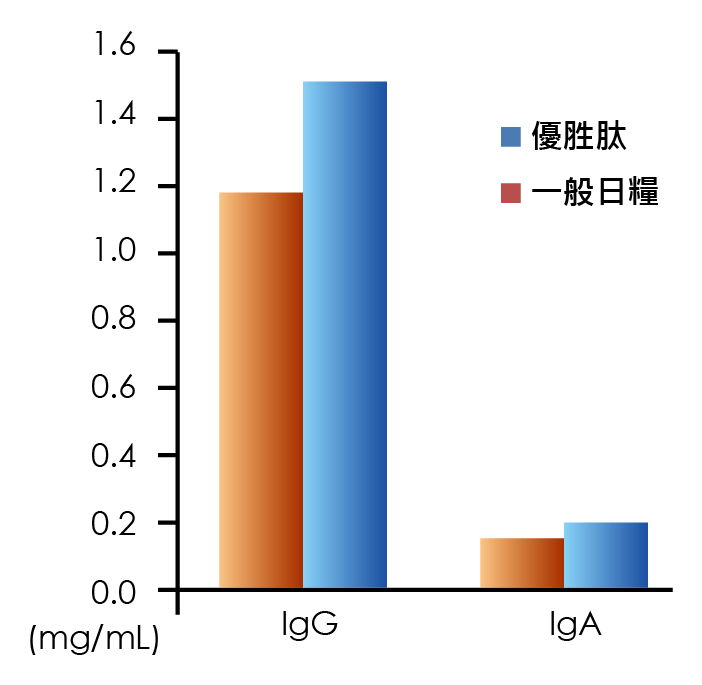
[Figure 5 Explanation: Serum Immunoglobulin Bar Chart (IgG and IgA)]
Experiment Six | Piglet Preference Experiment: Replacing 50% of fishmeal still resulted in a 136% increase in feed intake.
The DaBomb-PT feed preference test for replacing 50% fishmeal was conducted on 36 piglets with an average weight of approximately 12 kg. The piglets were fed for 2 hours and their positions were switched after 1 hour (to ensure fairness). Changes in the number of piglets in the feed trough and total feed intake were recorded over 5 minutes.
Experimental Results: When 50% of the fishmeal in the nursery feed was replaced with DaBomb-PT, the total feed intake of the DaBomb-PT formula group reached 1427 grams in 2 hours, while the control formula group was 605 grams, representing a 136% increase. Records of the number of piglets gathered at the trough every 5 minutes during the observation period also showed that the DaBomb formula consistently attracted more piglets to the trough, and this advantage was maintained even after repositioning, eliminating the interference of location preference and indicating that this difference in feed intake indeed stemmed from the attractiveness of the feed itself.
The significance of this result is that DaBomb-PT can not only "equally replace" the protein function of fishmeal, but also further improve piglets' acceptance of the overall formula and feed intake while reducing the amount of fishmeal used, truly achieving the dual goals of cost reduction and efficiency improvement.
Experiment 6 | Thailand Weaning Piglet Trial: Daily Weight Gain Increased by Up to 11%
A field trial conducted by Khon Kaen University in Thailand used 21-day-old LYD weaned piglets (initial weight 6.3 ± 1.0 kg) for a 35-day feeding trial to compare the effects of different proportions of DaBomb-PT supplementation on average daily weight gain.
| Experimental group | Average daily weight gain | Improvement compared to the control group |
| Control group (no additives) | 453 g/day | — |
| Add 5% DaBomb-PT | 478 g/day | +5.5% |
| Add 10% DaBomb-PT | 496 g/day | +9.5% |
| Add 15% DaBomb-PT | 503 g/day | +11.0% |
A clear dose-response relationship was observed—the higher the addition ratio, the greater the improvement in daily weight gain. The highest addition group (15%) achieved a daily weight gain of 503 grams, an increase of 11% compared to the control group, and the survival rate of all addition groups was improved compared to the control group. This data, obtained under actual breeding conditions, is a direct farm validation of the growth-promoting effects of DaBomb-PT.
Application areas and recommended usage
DaBomb-PT is mainly used in feed for piglets during the early growth stages:
| Feed type | Purpose of use |
| creep material | Enhancing the willingness of suckling piglets to eat solid feed prepares them for weaning. |
| lactation feed | Supplementing the diet of lactating sows can improve milk quality and piglet nutrition. |
| Conservation materials | Replacing part of fishmeal reduces weaning diarrhea and improves growth performance |
Alternative applicationsIt can serve as a plant-based alternative to animal plasma proteins. In creep feed and nursery feed formulations, DaBomb-PT can replace part of the plasma protein to achieve similar or better feeding incentives and intestinal protection effects, while reducing the proportion and cost of animal-derived ingredients.
Application areas and recommended usage
Q1: What is the difference between DaBomb-PT and DaBomb-P?
DaBomb-P is a functional peptide protein raw material with high digestibility and low antigenicity as its main selling points. It is positioned as a substitute for fishmeal and general animal protein and is widely used in pig and poultry feed at all stages. DaBomb-PT is further optimized based on DaBomb-P for the special needs of early piglet growth: it uses a probiotic and specific enzyme formula to precisely retain specific peptide segments with flavor-enhancing activity during hydrolysis, and is combined with phenolic compounds (such as cinnamic acid and carvacrol) produced during fermentation to give the product a unique aroma and flavor. It is particularly suitable for piglet feed scenarios that require high feed intake stimulation, such as creep feed, suckling feed, and nursery feed.
Q2: Can DaBomb-PT replace animal plasma proteins?
Yes, this is one of DaBomb-PT's core positioning points. Animal plasma proteins (usually derived from pig or bovine blood) have long been one of the most effective feed-enhancing ingredients in piglet creep feed and nursery feed. However, due to cost fluctuations of animal-derived raw materials, religious dietary norms, and food safety regulations, the industry has been seeking feasible plant-based alternatives. Trial data shows that in nursery feed formulations that replace 50% fishmeal, DaBomb-PT still resulted in piglets consuming 136% more feed than the general control group, demonstrating that it has achieved or even surpassed the effectiveness of traditional animal-derived formulations in attracting feed.
Q3: Which intestinal pathogens in piglets does DaBomb-PT inhibit? What is its inhibition rate?
According to in vitro antibacterial tests conducted by the Taiwan Animal Science and Technology Research Institute (independent third-party testing), DaBomb-PT showed clear inhibitory effects (5-hour bactericidal rate) against the following three common intestinal pathogens in piglets: Escherichia coli: 93.6–94.2% (depending on dosage, 2.5% or 5%); Salmonella: 92.6–93.9%; Clostridium perfringens (causative agent of necrotic enteritis): 72.2–77.8%. The 5-hour bactericidal rates for Escherichia coli and Salmonella both exceeded 92%, providing potent in vitro antibacterial protection against the most common threat of bacterial diarrhea in piglets.
Q4: How does the antibacterial mechanism of DaBomb-PT differ from that of regular antibiotics?
Conventional antibiotics kill bacteria by interfering with their metabolic processes, such as cell wall synthesis, protein synthesis, or DNA replication. However, long-term use can easily lead to antibiotic resistance. DaBomb-PT's antimicrobial peptides employ a competitive exclusion mechanism—the active peptides preemptively occupy intestinal villus receptors (sites where pathogens attach to the intestinal wall), preventing the pathogens from attaching and thus preventing infection. This is a physical blockade rather than a chemical killing mechanism. Theoretically, this mechanism should not induce antibiotic resistance in pathogens, aligning with the intestinal protection strategy of antibiotic-free animal husbandry.
Q5: Can DaBomb-PT improve the immunity of piglets? What are the relevant indicators and data?
Yes. The experimental results showed that DaBomb-PT supplementation increased two key immunoglobulins in piglets: IgG (systemic protective antibody) increased from 1.18 mg/mL to 1.50 mg/mL (+27%); IgA (intestinal local immune antibody) increased from 0.15 mg/mL to 0.20 mg/mL (+33%). The increase in IgG indicates enhanced overall disease resistance in piglets, while the increase in IgA specifically targets local immune defense in the intestinal mucosa, forming a dual protection mechanism with the competitive exclusion mechanism of antimicrobial peptides.
Q6: How does DaBomb-PT work in inducing piglets to eat?
DaBomb-PT's high feed-inducing effect stems from two complementary sources of sensory stimulation. The first is flavor peptides, which, through precise hydrolysis by probiotics and specific enzymes, retain peptide fragments with specific flavors, giving the feed a palatable quality that is positively appealing to piglets. The second is phenolic compounds (cinnamic acid, carvacrol, etc.), plant metabolites naturally produced during fermentation, possessing unique aromas that provide additional feeding signals to piglets' sense of smell. This dual stimulation of smell (aroma) and taste (flavor peptides) is the key to DaBomb-PT's significantly superior feed-inducing effect compared to general peptide products.
Q7: Is DaBomb-PT suitable for antibiotic-free farming or organic pork production?
Yes. DaBomb-PT is plant-based soybean-based, contains no animal-derived ingredients, and contains no antibiotics or growth promoters, fully complying with the raw material specifications for antibiotic-free farming (zero antibiotics added). Its antibacterial mechanism does not rely on chemical killing but rather on competitive elimination, aligning with the spirit of antibiotic-free farming. For farms applying for organic pork certification, promoting clean labeling (no drug residues), or needing to meet the animal welfare and drug residue regulations of specific export markets, DaBomb-PT is an excellent choice for piglets in the early growth stages, balancing feed intake, intestinal protection, and regulatory compliance.
For product samples, feed formulation consultation, or technical support, please contact DaBomb Protein Biotech Corp.