
- Home
- Products
- Nutrition and health care for aquatic products
- Aquatic Products | Peptide Protein Series
- DaBomb peptide | DaBomb-P
DaBomb-P DaBomb P (Aquaculture Applications)
Functional fermented soybean peptide protein raw materials
High digestibility × Gut stability × Health maintenance
Why are traditional protein sources no longer sufficient for modern aquaculture?
The challenges facing modern aquaculture are no longer just about "enough protein," but about "protein quality and functionality." High-density intensive farming significantly increases the risk of disease transmission; incomplete digestion of feed protein leads to increased excrement and continuous water quality deterioration; increasingly stringent regulations on antibiotic use make health management more difficult; and the continuous fluctuations in fishmeal prices put enormous pressure on feed costs. These four problems are intertwined and cannot be solved simply by increasing the amount of protein added. The emergence of DaBomb-P is precisely a solution to this reality: through a fermentation and hydrolysis process, traditional plant protein is upgraded into highly digestible protein, low-antigenic protein, and bioactive functional peptides, evolving protein raw materials from "nutritional sources" into "functional raw materials."
Product Introduction
DaBomb-P is a functional protein ingredient specifically for aquaculture, developed DaBomb Protein Biotech Corp. Based on soybeans, it is produced through lactic acid bacteria fermentation and bio-hydrolysis processes. It is the first pure plant-based functional small peptide product in Asia to pass ISO 22000 and SGS certifications. The core of the process lies in breaking down over 75% of the protein in soybeans into small molecule peptides, with up to 18% being active small molecule peptides smaller than 10kDa. These peptides can be rapidly absorbed by the intestines within three hours, achieving an in vitro digestibility of 94% (SGS third-party certification), approaching the protein utilization level of fishmeal. The fermentation process simultaneously produces natural organic acids (lactic acid content ≥5.0%), providing additional functions for gut health regulation, giving DaBomb-P the dual value of efficient protein supply and gut function management.
Core Product Advantages
High digestibility | Significantly improved feed protein conversion efficiency
The in vitro digestibility is as high as 94% within three hours, which is far superior to ordinary soybean meal (about 60-75%). The small molecule peptide structure makes intestinal absorption almost unimpeded, and the protein is really used for muscle growth rather than being excreted.
Effective fishmeal alternative | Reduce feed formulation costs
White shrimp formula can replace up to 75% of fishmeal, while grouper and Asian sea bass can replace 15-30%, significantly reducing the proportion of expensive fishmeal used without affecting growth performance.
Improves intestinal structure | Substantially increases absorption area
Tissue section studies showed that after DaBomb-P supplementation, the intestinal villi structure of aquatic animals was more intact, the intestinal absorptive area was increased, and the intestinal burden was reduced simultaneously.
Boost immune indicators | Strengthen disease resistance
The results of the white shrimp experiment showed that DaBomb-P can significantly increase phenol oxidase (an indicator of immune activity) and total blood cell count (the number of immune cells), thereby strengthening the animal's self-defense capabilities when facing pathogen challenges.
Reduce ammonia nitrogen emissions | Improve water quality stability
Fermented peptides have high digestibility, significantly reducing unused nitrogenous waste and consequently lowering the concentrations of nitrite-nitrogen and ammonia-nitrogen in aquaculture water, effectively reducing water quality management costs.
Can be used in combination with probiotics or postbiotic formulas
As a functional protein base, DaBomb-P can be flexibly combined with probiotics or postbiotic products to further enhance overall gut health and immune management.
Core Mechanism
Small molecule peptides (<30kDa, more than 75%)
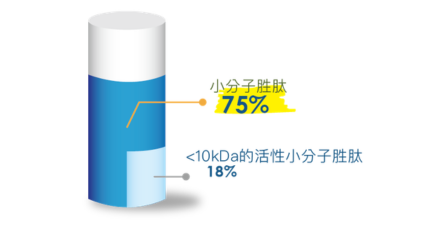
[Figure 1: DaBomb P-peptide component ratio diagram]
Among them, the active small molecule peptides with less than 10kDa account for up to 18%, and the in vitro digestibility is 94% within three hours. They can be quickly absorbed and utilized by the intestines, while the low anti-nutritional molecular structure reduces the stimulation and burden on the intestines.
Natural organic acids (lactic acid ≥ 5.0%)
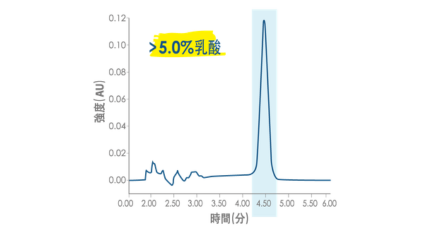
[Figure 2: Graph of lactic acid quantitative analysis by high performance liquid chromatography]
The natural L-lactic acid produced during fermentation helps maintain intestinal flora balance, improves the digestive environment, and increases feed palatability. Lactic acid content is precisely quantified using instruments, and each batch of product is traceable.
Low oligosaccharide and low antigenicity
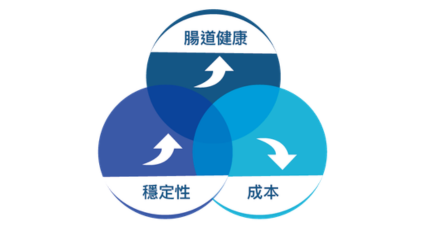
[Figure 3: Top 3 Benefits of Using It]
Antigenic proteins in traditional soybean protein are a major cause of intestinal inflammation in aquatic animals; after fermentation and hydrolysis, DaBomb-P has a significantly reduced antigen content and high viscosity, which can improve the stability of feed pellets in water and reduce feed loss and waste.
Research data and experimental results
Experiment 1 | Digestibility 94% – A third-party certified figure approaching fishmeal standards
This document was issued by SGS Taiwan. SGS is one of the world's most reputable independent third-party testing and certification organizations, and its reports are complete and traceable. The tested sample was DaBomb Biotechnology's lactic acid bacteria hydrolyzed peptides. The test method was in vitro digestibility—quantitatively determining the proportion of protein broken down and utilized during simulated digestion in a laboratory under standardized conditions that simulate the digestive environment of an animal's intestine.
The report clearly states a digestibility rate of 94%. Compared to the typical digestibility of soybean meal (60–75%) and fishmeal (approximately 90–95%), DaBomb-P's protein digestibility is close to that of fishmeal. This is the fundamental reason why DaBomb-P can replace fishmeal on a large scale without affecting aquaculture performance.
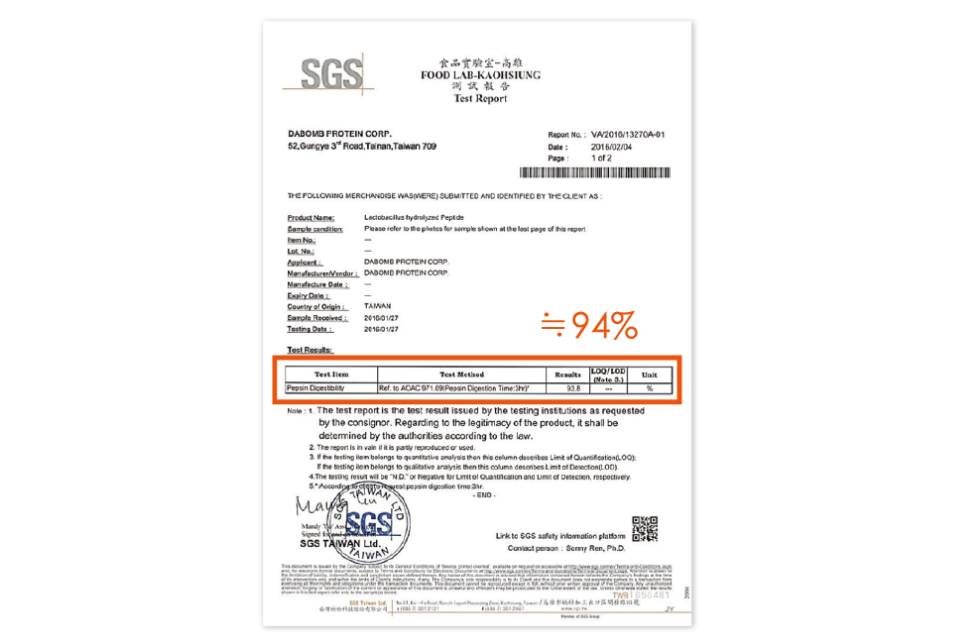
[Figure 4: SGS Taiwan Official Digestibility Test Report]
Experiment 2 | Intestinal Tissue Slices - Improved Structure and Substantial Increase in Absorption Area
These images are microscope images of intestinal tissue sections. The left side shows the control group fed with regular feed, while the right side shows the experimental group whose feed contained 20% fishmeal replaced by DaBomb-P.
The focus of observation is the morphology of the intestinal villi (the dense, finger-like projections on the intestinal wall). Intestinal villi are the main structures for nutrient absorption in the intestine—the longer and more intact the villi, the larger the surface area that the intestine can contact and absorb nutrients; conversely, if the villi are damaged or atrophied, the absorption efficiency will decrease significantly.
Comparing the two slice images clearly shows that the intestinal villi structure in the DaBomb-P-treated group was more intact, more neatly arranged, and exhibited a healthier tissue morphology; while the villi in the control group were relatively sparse or showed signs of localized damage. This result indicates that DaBomb-P's low antigenicity and high digestibility characteristics effectively reduce the stimulation of feed protein on the intestinal mucosa, maintaining the intestinal tissue in a better structural state, thereby improving overall nutrient absorption efficiency.
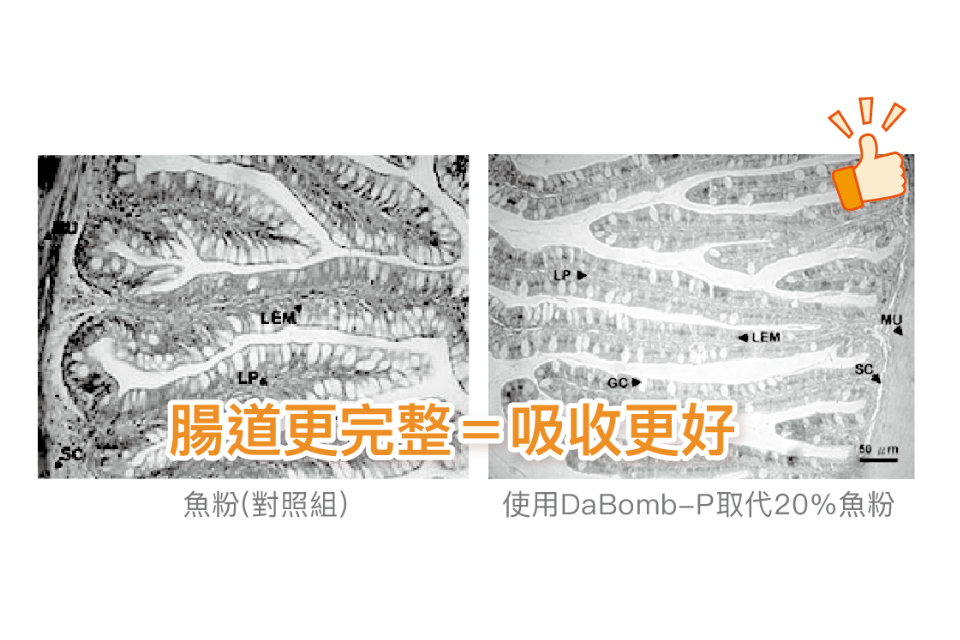
[Figure 5: Comparison of intestinal tissue sections]
Experiment 3 | White Shrimp Immunization Experiment – Three Key Indicators Improved Simultaneously
This study used whiteleg shrimp as subjects to compare the differences in three key aquaculture indicators between a control group fed with conventional commercial feed and an experimental group that used DaBomb-P to replace 75% of fishmeal.
The left column of the figure shows phenol oxidase (immunological activity/PO activity).:Phenolic oxidase is a key enzyme in the shrimp's innate immune system responsible for recognizing and eliminating pathogens. Higher enzyme activity indicates stronger immune defense capabilities in shrimp. Experimental results showed that the phenololic oxidase activity in the DaBomb-P group was significantly higher than that in the control group, with an increase of over 43%, indicating that shrimp supplemented with DaBomb-P possessed stronger active disease resistance.
The column in the graph represents the total blood cell count (number of immune cells/THC).Hemocytes (i.e., hemolymphocytes) are immune cells in the shrimp's circulatory system, responsible for engulfing pathogens and transmitting immune signals. The greater the number of hemocytes, the more abundant the defensive resources the immune system can mobilize. The total number of hemocytes in the experimental group was also significantly higher than that in the control group, further supporting the effect of DaBomb-P on enhancing overall immunity.
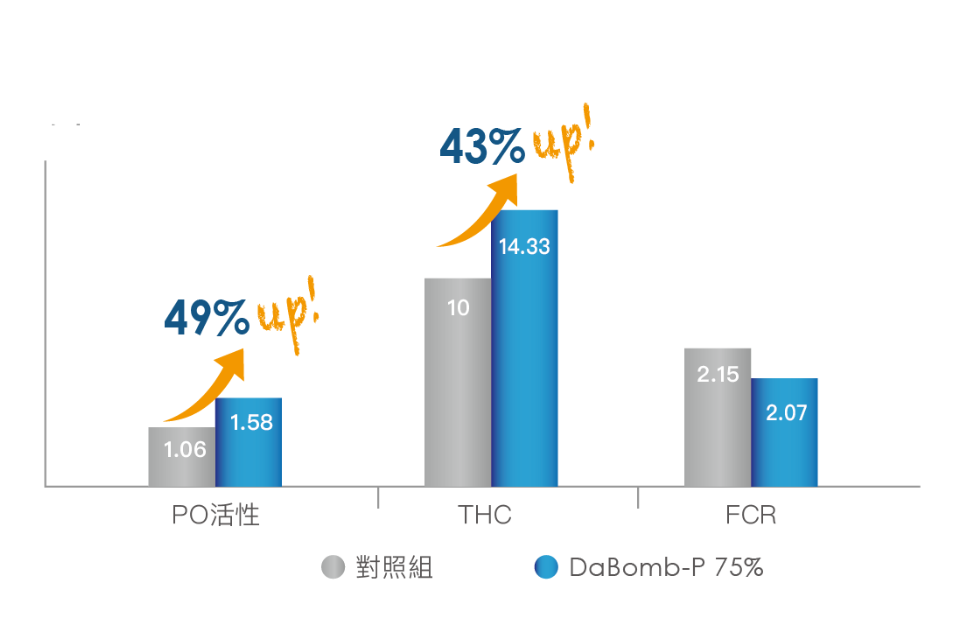
[Figure 6: Bar chart of white shrimp experiment (control group vs. DaBomb-P 75% substitution group)]
The right column of the figure represents the feed conversion ratio (FCR).The lower the feed conversion ratio (the number of kilograms of feed required to gain 1 kilogram of body weight), the better, indicating higher feed utilization efficiency. The feed conversion ratio in the experimental group was lower than that in the control group, indicating that even if 75% of the fishmeal in the formula was replaced with DaBomb-P, the shrimp's feed conversion efficiency was not only unaffected, but also improved due to the increased protein digestibility. The significance of considering these three indicators together is that DaBomb-P does not merely "replace fishmeal," but rather, while replacing it, it enhances the shrimp's immunity and increases feed efficiency, truly achieving the dual goals of cost reduction and efficiency improvement.
Experiment 4 | Water Quality Improvement – Ammonia Nitrogen Continues to Decrease with Increasing Addition Ratio
This line graph from the experiment shows the trend of nitrite-nitrogen concentration in the aquaculture water over time when different proportions of DaBomb-P (0%, 2%, 5%, 7.5%, 10%, 12.5%, 20%) were added to the feed under the same aquaculture conditions.The horizontal axis represents the culture time (days), and the vertical axis represents the nitrite nitrogen concentration (mg/L). Nitrite nitrogen is an intermediate product of nitrogenous waste produced by aquatic animals. Excessive concentration can cause chronic toxicity to shrimp and fish, and it is one of the most closely monitored indicators in water quality management.
The graph clearly shows a pattern: the higher the addition ratio, the lower the curve. The nitrite-nitrogen concentration in the 0% control group significantly increased in the later stages of aquaculture, while the group with 20% DaBomb-P maintained its lowest level throughout the entire process. This result reflects the direct impact of protein digestibility—higher digestibility means less unused nitrogenous waste entering the water, resulting in a lower nitrogen load on the water. For aquaculture farmers, this means that introducing DaBomb-P can improve feed efficiency while indirectly reducing the frequency of water changes and the management costs of water treatment.
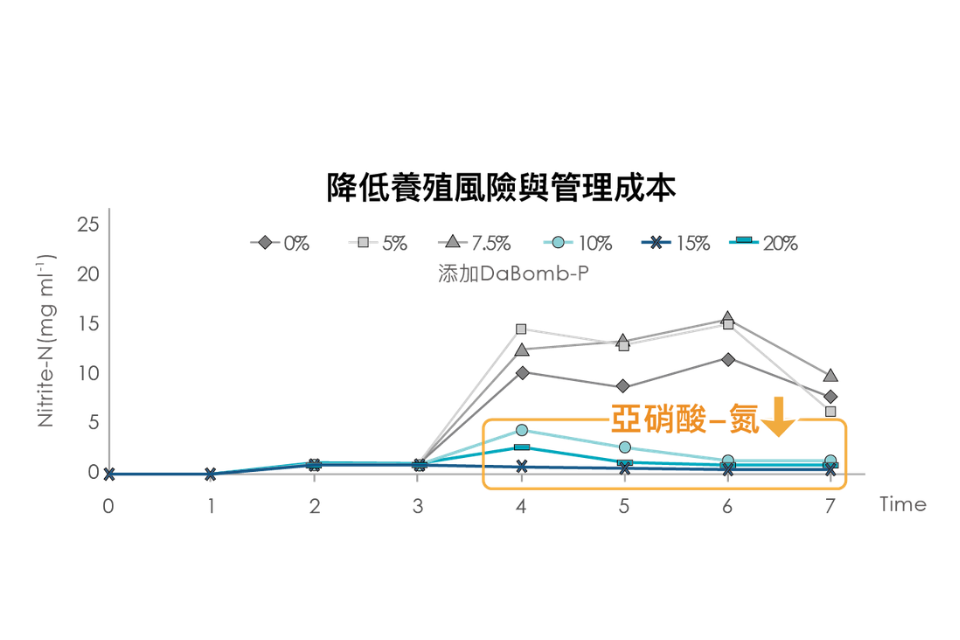
[Figure 7: Line graph showing the effect of different addition ratios on nitrite-nitrogen concentration]
Application areas and cost-saving reference
| Species | Recommended fishmeal replacement ratio |
| South American white shrimp | 5–75% |
| Grouper | 15–30% |
| Asian sea bass | 15–30% |
It can be widely used in the design of low fishmeal formulas and the development of functional feeds. It can also be used in combination with probiotics or post-biotic formulas to further enhance the overall health management effect of aquaculture.
Usage Recommendations
| project | illustrate |
| Recommended addition amount | 5–15% of the dry weight of the feed |
| Application methods | Replace fishmeal or other animal protein ingredients in feed formulation |
| Product Type | powder |
| crude protein content | ≥51% |
| Small peptide content | ≥18% |
| lactic acid content | ≥5% |
| Quality Certification | ISO 22000, SGS International Certification |
| Shelf life | 24 months |
| Minimum shipment quantity | 1 ton |
| Countries that have already exported | Vietnam / Malaysia / Philippines / Myanmar / South Korea / Japan |
Frequently Asked Questions (Q&A)
Q1: What is DaBomb-P? How is it fundamentally different from regular fishmeal and soybean meal?
DaBomb-P is a functional peptide protein raw material for aquaculture, made from soybeans through lactic acid bacteria fermentation and bio-hydrolysis technology. It is the first pure plant-based functional small peptide product in Asia to pass ISO 22000 and SGS international certifications. Its fundamental difference from regular soybean meal lies in its protein structure and functionality: traditional soybean meal protein exists in a large molecular form, with limited digestibility and containing antigenic proteins, which can easily cause chronic intestinal irritation with long-term use. Over 75% of DaBomb-P's protein exists in the form of small-molecule peptides, achieving a 94% in vitro digestibility within three hours (SGS certified), approaching fishmeal levels, and with significantly reduced antigen content, making it more gut-friendly. Simultaneously, the natural lactic acid (≥5%) produced during fermentation gives DaBomb-P the additional function of regulating intestinal health, a characteristic completely absent in fishmeal and regular soybean meal.
Q2: What percentage of fishmeal can DaBomb-P replace?
The fishmeal substitution capacity of DaBomb-P varies depending on the farmed species: Whiteleg shrimp can replace up to 75% of the fishmeal in the formula, with positive results observed in shrimp immunity, survival rate, and feed conversion ratio during trials; the recommended substitution ratio for grouper and Asian sea bass is 15–30%, with stable growth performance. The actual substitution ratio should be adjusted based on the overall protein structure, amino acid balance, and growth stage of the farmed species. Customized formulation evaluation in conjunction with DaBomb technical team is recommended.
Q3: Will using DaBomb-P really improve gut health? Is there any tissue-level data?
Yes. Microscopic observation of intestinal tissue sections during the experiment showed that replacing 20% of fishmeal with DaBomb-P in the feed resulted in significantly more intact intestinal villi structure, increased absorption area, and reduced intestinal burden in aquatic animals, demonstrating a significant difference compared to the control group. Intestinal villi are the main structure for nutrient absorption; a more intact structure indicates higher intestinal absorption efficiency, meaning that animals can obtain more effective nutrients from the same feed input.
Q4: How does DaBomb-P enhance the immunity of aquatic animals?
DaBomb-P's promotion of the immune system comes from two main aspects: First, natural lactic acid (≥5%) acidifies the intestinal environment, inhibits the colonization of pathogens such as Vibrio, maintains the integrity of the intestinal mucosa, and reduces the risk of infection from the source; Second, fermentation metabolites can directly activate the immune system. White shrimp experiments showed that DaBomb-P can significantly increase phenol oxidase activity (by more than 43%) and total blood cell count. Phenol oxidase is a key enzyme in crustaceans' innate immunity, and higher activity means that shrimp have a stronger ability to clear pathogens.
Q5: Does DaBomb-P help improve aquaculture water quality?
It has a significant positive impact. Due to the high protein digestibility of DaBomb-P, the proportion of protein that animals can actually absorb and utilize increases, thus reducing nitrogenous waste discharged into the water. Experimental data show that the higher the proportion of DaBomb-P added to the feed, the lower the concentrations of nitrite-nitrogen and ammonia-nitrogen in the aquaculture water. Improved water quality means reduced chronic stress on animals in the aquaculture environment, and also means that operators can reduce the frequency of water changes and water treatment costs, thereby improving the efficiency of water quality management.
Q6: Does DaBomb-P contain live bacteria? What precautions should be taken regarding storage and manufacturing processes?
DaBomb-P contains no live bacteria and is a metabolite resulting from lactic acid bacteria fermentation. Classified, it belongs to the category of a combination of post-biotics (bioactive metabolites of lactic acid bacteria) and functional peptides. The absence of live bacteria means that DaBomb-P has superior storage stability compared to live bacteria formulations, and there is no need to worry about the high temperatures during granulation damaging the live bacteria. The product's functionality remains stable from raw material to finished product. The powder form should be stored in a cool, dry place for up to 24 months.
Q7: Can DaBomb-P be used as a complementary solution for antibiotic-free aquaculture or organic aquaculture?
Yes. DaBomb-P is a functional feed ingredient, free of antibiotics and drugs, positioned as a preventative nutritional health management tool. By strengthening the intestinal barrier, activating innate immunity, and reducing the risk of pathogen infection, DaBomb-P effectively reduces reliance on antibiotics in aquaculture, making it suitable as a core feed component of antibiotic-free aquaculture (antibiotic reduction) strategies. For operators who need to comply with drug residue regulations in export markets or are applying for organic aquaculture certification, DaBomb-P is also a compliant option with complete scientific evidence.
Technical Consulting and Sales - DaBomb Protein Biotech Corp. Inc.Taiwan Distributor - Guohuan Enterprise
For product samples, feed formulation consultation, or technical support, please feel free to contact us.