Nutrition+
DaBomb Nutrition Insight
Focusing on animal nutrition, biotechnology and industry trends,
Sharing fermentation technology applications, research perspectives, and new market insights.

- Home
- DaBomb Nutrition Insight
- Case Studies | DaBomb Lactic Acid Bacteria Postbiotics in Livestock and Aquaculture: Science, Production, and Applied Practice
Case Studies | DaBomb Lactic Acid Bacteria Postbiotics in Livestock and Aquaculture: Science, Production, and Applied Practice
BY JIANG JHIH-JIE, ZHAO JUN-YI
Building upon over two decades of accumulated expertise in advanced lactic acid bacteria (LAB) fermentation technology, DaBomb initiated a dedicated research program in LAB-derived postbiotics between 2022 and 2023. This program progressed systematically through multiple stages — from early-phase laboratory validation studies and small animal clinical efficacy trials, through to field verification trials conducted in swine, poultry, and aquatic species. This comprehensive research pipeline ultimately led to the development of the "Postbiotic DBT-100" product series, which integrates LAB-derived postbiotics with a proprietary antimicrobial formulation. The series has delivered measurable performance improvements for clients, generating a compounded benefit of enhanced efficacy and meaningful reduction in overall production costs.
Clinical and Field Validation of Postbiotics as an Emerging Anti-inflammatory Tool in Swine Production
In piglet production, multiple compounding stressors — including weaning, dietary transitions, environmental changes, and pathogenic challenges — can trigger systemic inflammatory responses that adversely affect feed intake, nutrient utilization efficiency, and overall growth performance. As a result, mitigating the negative impact of inflammation on production outcomes has long been a central priority in nursery pig nutritional management.
In DaBomb's early-stage research, lactic acid bacteria (LAB)-derived postbiotics were found to exhibit pronounced anti-inflammatory properties — a discovery that has since served as the foundational cornerstone of the DaBomb LAB Postbiotic DBT-100 product series.
1.1 Reduction of Inflammatory Markers and Growth-Promoting Effects of Postbiotics in Nursery Pigs
In a lipopolysaccharide (LPS)-induced inflammatory challenge trial, piglets received continuous dietary supplementation of DBT-100 LS at an inclusion rate of 500 g/MT for two weeks prior to LPS challenge, and continued receiving the same supplementation for an additional two weeks following LPS administration. Results demonstrated that, compared to the negative control group, DBT-100 LS effectively maintained growth performance in challenged piglets, with weight gain trajectories closely mirroring those observed in the unchallenged healthy control group (Figure 1). These findings suggest that LAB-derived postbiotics hold considerable potential for mitigating the adverse effects of LPS-induced inflammatory responses on growth performance in nursery pigs.
Furthermore, in a collaborative piglet trial conducted by DaBomb in partnership with the Agricultural Technology Research Institute (ATRI), DBT-100 LS was shown to significantly reduce intestinal Clostridium perfringens populations and alleviate the incidence of diarrhea in nursery pigs (Figures 2 and 3). Concurrent with improvements in fecal consistency, concentrations of noxious gases within the livestock housing facility — including hydrogen sulfide (H2S) — were also correspondingly reduced, contributing to a more favorable rearing environment.
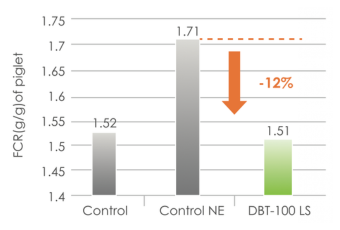
Figure 1. Growth performance of nursery pigs in the control, negative control, and DBT-100 LS groups following two weeks of pre-challenge dietary supplementation, LPS-induced inflammatory challenge, and two additional weeks of continued feeding post-challenge.
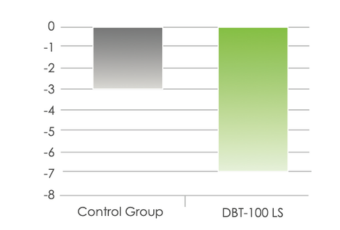
Figure 2. Clostridium inhibition rates in nursery pigs administered the control diet or DBT-100 LS over a six-week feeding period.
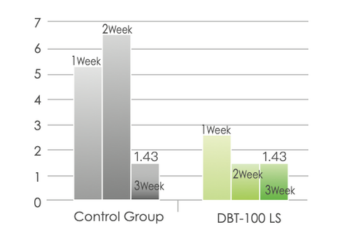
Figure 3. Diarrhea incidence rates in nursery pigs administered the control diet or DBT-100 LS over a three-week feeding period.
1.2 On-Farm Integration of Postbiotics for Disease Prevention and Nursery Management: Case Studies
1.2.1 Case Study: Managing Swine Dysentery (Brachyspira hyodysenteriae) Infection in Nursery Pigs
During the early stages of product development, DaBomb collaborated with Professor Kuo Hung-Chih and his research team at National Chiayi University to conduct a validation trial, the results of which demonstrated that DBT-100 LS possesses the capacity to inhibit the growth of Brachyspira hyodysenteriae. Building upon these findings, field testing was subsequently conducted at a commercial pig farm in Yunlin County. Following three weeks of DBT-100 LS supplementation, a marked improvement in bloody diarrhea was observed, accompanied by a notable reduction in fecal moisture content, which contributed to maintaining a drier and more hygienic livestock housing environment (Figure 4).
Concurrently, Professor Kuo's veterinary team conducted systematic necropsy examinations. The results revealed that after three weeks of DBT-100 LS supplementation, gastrointestinal distension was significantly reduced, and the macroscopic appearance of lung tissue was observably healthier (Figure 5). These findings collectively indicate that LAB-derived postbiotics not only contribute to improvements in intestinal health, but may also enhance overall production stability during the nursery period by reducing diarrhea incidence and improving animal health status.
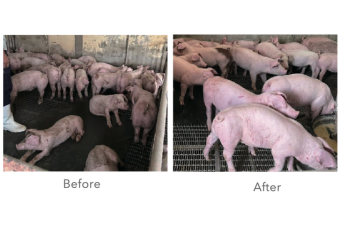
Figure 4. Comparative photographs of the livestock housing environment at the Mailiao pig farm before and after three weeks of DBT-100 LS supplementation.
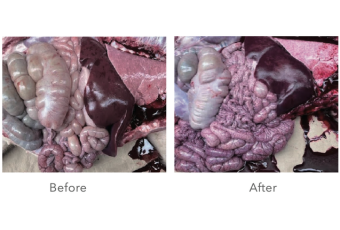
Figure 5. Necropsy images of piglets from Mailiao pig farm before and after three weeks of DBT-100 LS supplementation.
1.2.2 Case Study: Use of DBT-100 LS on a Grower-Finisher Pig
Farm DaBomb currently supplies a grower-finisher pig farm customer that routinely incorporates DBT-100 LS into feed throughout the entire rearing cycle. According to feedback from the farm manager: "Overall growth rate and feed-to-meat conversion have improved compared with previous production batches, and growth uniformity has also improved." Compared with the farm's prior experience using live-microbial products, the postbiotic product demonstrated a more pronounced and stable effect on growth promotion and production efficiency.
Beyond growth performance, the farm owner also observed a marked reduction in fecal odor within the barns, suggesting that the postbiotic may help improve gut microbiota balance and nutrient utilization efficiency, thereby reducing the generation of harmful metabolites.
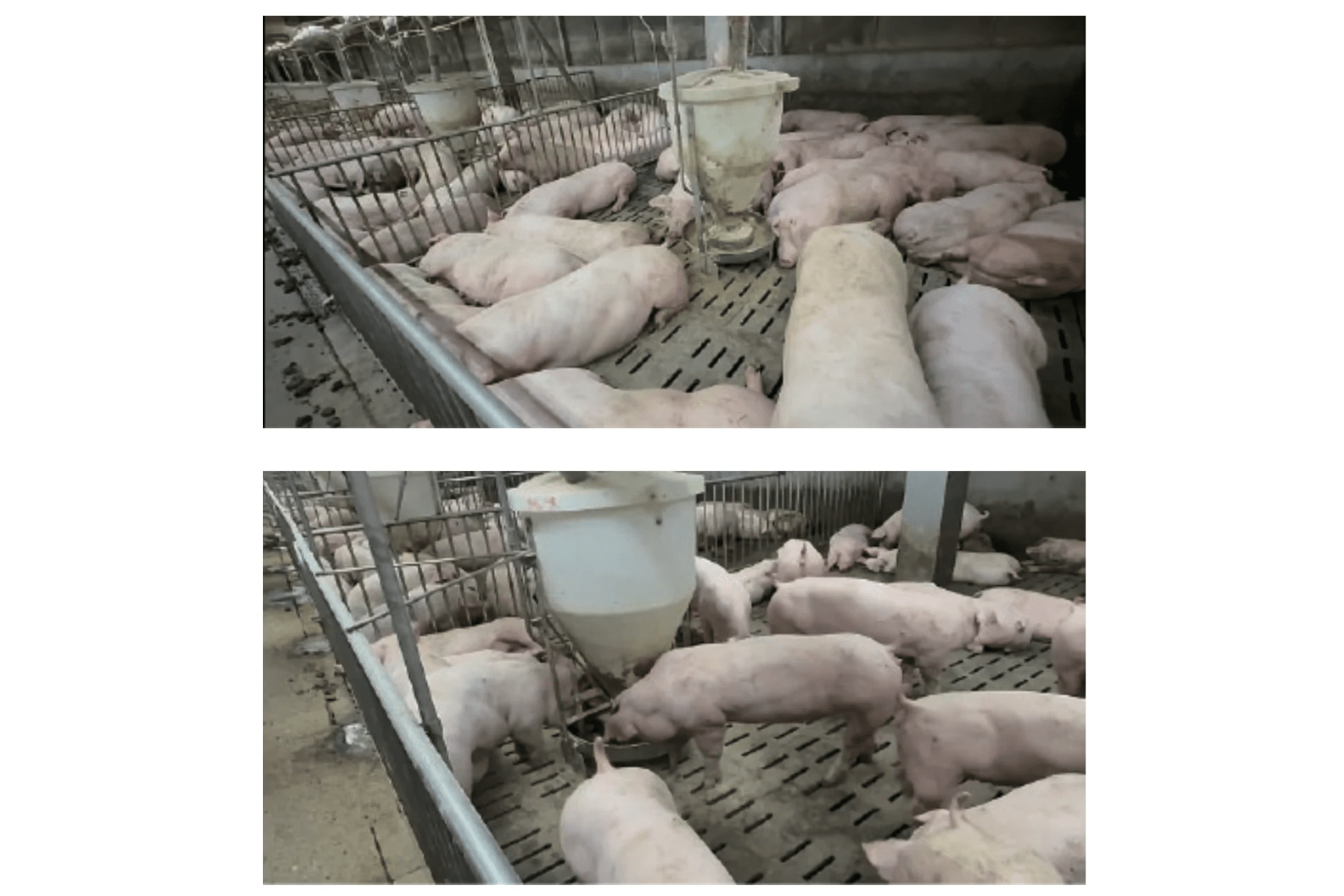
Figure 6. Field application of DaBomb's DBT-100 LS on a grower-finisher pig farm.
In addition, the farm had previously experienced frequent diarrhea in pigs during the plum rain season or under high-humidity conditions; after adding the postbiotic, the incidence of diarrhea decreased significantly. Even in the occasional sporadic case of diarrhea, the pigs responded more quickly to treatment and recovered in a shorter time, indicating that the postbiotic may help enhance gut health and maintain overall herd health stability.
From experimental-scale trials to field applications, results demonstrate that DaBomb's lactic acid bacteria postbiotic DBT-100 LS delivers comprehensive benefits, including growth promotion, improved gut health, reduced environmental odor, and enhanced herd health stability.
Antibiotic-Free Solutions for Poultry Farming
Necrotic enteritis (NE) caused by Clostridium perfringens is one of the most significant diseases affecting the broiler industry. It not only causes intestinal damage but can also lead to reduced growth performance and impaired feed efficiency, ultimately compromising overall production output. Amid the global trend toward antibiotic-free or antibiotic-restricted farming, the use of traditional antibiotic growth promoters (AGPs) is increasingly limited. Lactic acid bacteria postbiotics offer a new-generation solution that combines safety, stability, and efficacy—helping to mitigate intestinal inflammatory responses, improve gut health, and ensure that production performance remains unaffected.
2.1 Efficacy Validation of Postbiotics Against Necrotic Enteritis
In a Clostridium perfringens challenge trial conducted by DaBomb in collaboration with government research institutions, results showed that DBT-100 LS effectively mitigated the negative impact of C. perfringens infection on broiler growth. Compared with the challenged control group, broilers supplemented with DBT-100 LS maintained better weight-gain performance, with growth rates comparable to those of the healthy, unchallenged group (Figure 7). In addition, intestinal histological examination showed that the DBT-100 LS group exhibited more intact intestinal villus structure and greater villus height (Figure 8), indicating that the postbiotic helps preserve intestinal absorptive function. Analysis of blood inflammatory markers further revealed that levels in the DBT-100 LS group were significantly lower than those in the challenged control group (Figure 9), demonstrating that the lactic acid bacteria postbiotic can effectively reduce the inflammatory response triggered by C. perfringens infection.
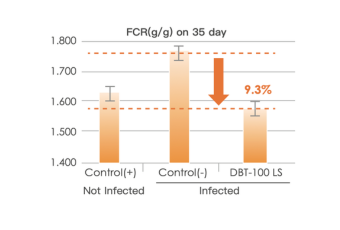
Figure 7. Feed conversion ratio (FCR) of broilers in the control, Clostridium perfringens-challenged, and DBT-100 LS groups over 5 weeks.
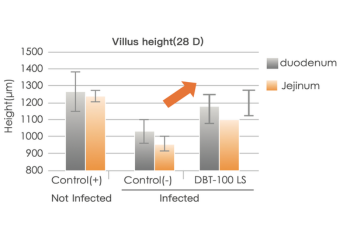
Figure 8. Intestinal villus height in broilers from the control, Clostridium perfringens-challenged, and DBT-100 LS groups at 4 weeks.
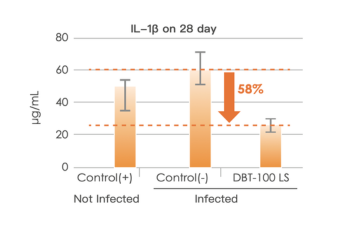
Figure 9. Serum inflammatory marker IL-1β concentration in broilers from the control, Clostridium perfringens-challenged, and DBT-100 LS groups at 4 weeks.
Taken together, these experimental results indicate that DBT-100 LS not only helps maintain intestinal health and digestive-absorptive capacity but also reduces the impact of necrotic enteritis on production performance, demonstrating its potential as an intestinal health management tool in antibiotic-free farming environments.
2.2 Trial Results of Postbiotics as a Replacement for Enramycin
Building on the results of the aforementioned Clostridium perfringens challenge trial, DaBomb further commissioned the Agricultural Technology Research Institute (ATRI) to conduct a comparative trial between the lactic acid bacteria postbiotic DBT-100 LS and the growth-promoting antibiotic enramycin, in order to evaluate its potential as an antibiotic-reduction or antibiotic-replacement solution. Results showed that the feed conversion ratio (FCR) of the DBT-100 LS group outperformed that of the 125 ppm enramycin group (Figure 10), indicating that the lactic acid bacteria postbiotic delivers a favorable improvement in feed conversion. In addition, fecal microbial analysis revealed that the DBT-100 LS group exhibited superior inhibitory effects against both E. coli and C. perfringens (Figure 11).
As the levels of harmful bacteria in the feces decreased, this was also found to further reduce the generation of harmful gases such as ammonia in the litter, helping to maintain better barn environmental quality. Taken together, these trial results demonstrate that the lactic acid bacteria postbiotic holds strong potential as an antibiotic-reduction management tool, by improving intestinal health, maintaining growth performance, and lowering the burden of harmful bacteria.
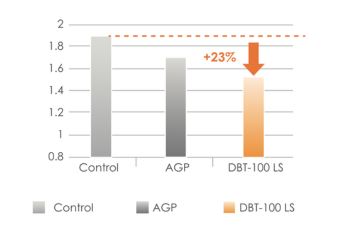
Figure 10. Feed conversion ratio (FCR) of broilers in the control, enramycin, and DBT-100 LS groups over 5 weeks.
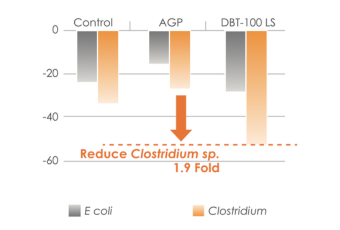
Figure 11. Inhibition rates of E. coli and Clostridium perfringens in broilers from the control, enramycin, and DBT-100 LS groups over 5 weeks.
2.3 Commercial Broiler Farm Case Study and Benefit Analysis
India is one of the world's major poultry meat producers. In recent years, driven by the industry-wide shift toward antibiotic reduction and antibiotic-free rearing, demand for alternatives to antibiotics has been steadily increasing. In response, DaBomb and its Indian partner conducted a field validation of DBT-100 LS at a commercial broiler farm in India, evaluating its performance under actual production conditions.
Trial results showed that, under commercial rearing conditions, the DBT-100 LS group achieved superior growth performance compared to the enramycin group; as the inclusion level was increased, broilers' average daily gain showed a further improving trend (Figure 12). This result is consistent with previous laboratory and research institute trial findings, indicating that the lactic acid bacteria postbiotic maintains stable efficacy under actual production conditions.
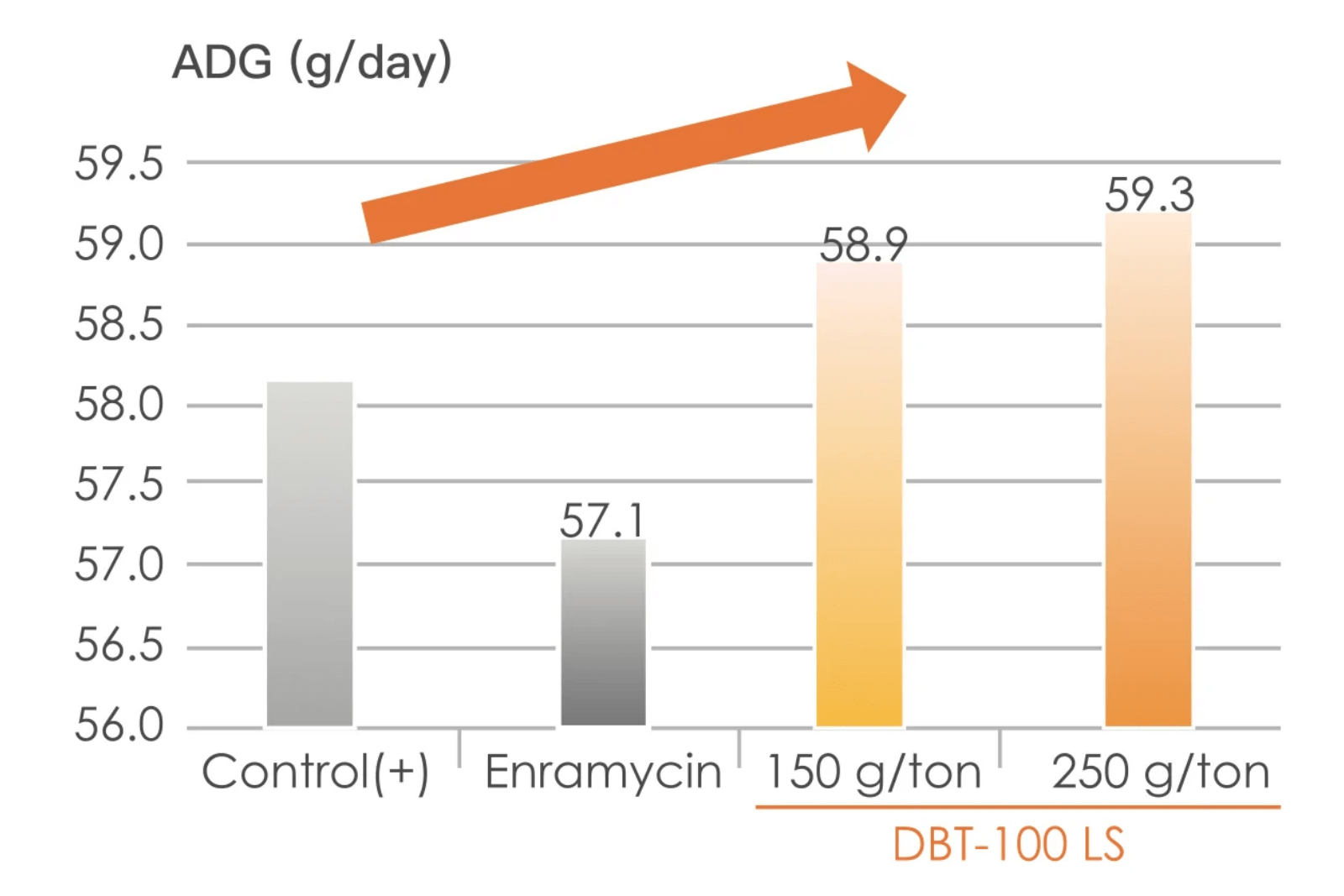
Figure 12. Average daily gain (g/day) of broilers over 5 weeks fed the control diet, enramycin diet, and diets supplemented with different concentrations of DBT-100 LS
2.4 Overall Efficacy of DaBomb DBT-100 LS in Livestock and Poultry Applications
Findings from multiple studies and commercial validations spanning weaned piglets to broiler chickens confirm that DaBomb's DBT-100 series of lactic acid bacteria postbiotics comprehensively enhances intestinal health and growth efficiency by modulating gut microbiota, reducing inflammatory responses, and inhibiting the proliferation of harmful bacteria. Consistent and outstanding results have been demonstrated across weaned piglets, Clostridium-challenged broilers, and antibiotic-free rearing environments alike—not only reducing disease and management risks, but also helping customers decrease antibiotic dependency and improve production efficiency, thereby creating a farming model that delivers both economic and sustainable value.
Heat-Stable Growth Promoter for Aquaculture
Recently, the sharp rise in prices of fish meal and other animal protein raw materials has subjected the aquafeed industry to unprecedented cost pressure. To maintain product competitiveness, feed manufacturers have been compelled to explore alternative protein sources and adopt more flexible formulation strategies in order to control production costs while sustaining animal growth performance. However, reducing fish meal inclusion has increasingly given rise to critical challenges for the industry, including diminished growth performance, reduced feed utilization efficiency, weakened immunity, and insufficient disease resistance.
Although functional feed additives such as probiotics and enzymes have been widely adopted in the feed industry, they commonly suffer from insufficient heat stability. Because aquafeed production typically involves high-temperature conditioning and pelleting processes, the viability of many live bacteria and the activity of many enzymes are readily compromised, thereby affecting the efficacy and stability of the final product. This has significantly limited feed manufacturers' options when selecting functional additives.
DaBomb has developed DBT-100 HT, a heat-stable lactic acid bacteria postbiotic. Unlike conventional probiotics, its efficacy is not constrained by live bacterial survival rates, allowing it to withstand the high-temperature conditions of feed processing while maintaining stable product performance. In addition, DBT-100 HT effectively addresses the reduced growth performance, weakened immunity, and elevated disease risk associated with low-fish-meal formulations, helping farmed aquatic animals sustain healthy growth.
3.1 Postbiotics Enhance Immunity and Resistance to White Spot Syndrome in Whiteleg Shrimp: Empirical Evidence
In a shrimp trial conducted in collaboration with National Cheng Kung University, whiteleg shrimp were fed a diet containing DBT-100 HT continuously for eight weeks, after which they were subjected to a challenge test with White Spot Syndrome Virus (WSSV). Results showed that, within 72 hours post-challenge, viral copy numbers in shrimp fed DBT-100 HT were significantly lower than those in the control group (Figure 13), indicating that DBT-100 HT effectively enhances shrimp's early defense capacity against viral infection and suppresses rapid viral replication in vivo.
Further observation of cumulative mortality over the seven days following challenge showed that the DBT-100 HT group exhibited a significantly lower mortality rate than the control group (Figure 14), confirming that DBT-100 HT effectively improves shrimp resistance to WSSV.
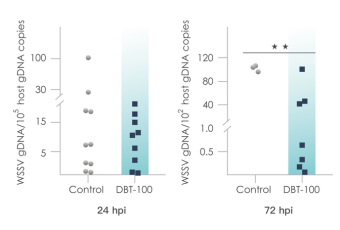
Figure 13. Viral DNA copy number in whiteleg shrimp at 24 and 72 hours after WSSV challenge
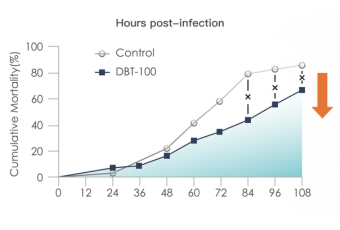
Figure 14. Mortality rate of whiteleg shrimp fed the control diet or DBT-100 HT for eight weeks, following WSSV challenge
3.2 Postbiotic Regulation of Molting-Related Genes and Its Synergistic Effect on Yield Enhancement in Whiteleg Shrimp
In addition, results showed that after eight weeks of continuous feeding with DBT-100 HT, whiteleg shrimp exhibited significantly higher expression levels of the molting-related genes Endochitinase and Ecdysone-inducible gene compared to the control group (Figure 15). Molting is a critical physiological process in crustacean growth, and elevated expression of these related genes is generally closely associated with an active growth and metabolic state.
Furthermore, under low-fish-meal formulation conditions, the DBT-100 HT group also showed significant improvement in the feed conversion ratio (FCR) deterioration caused by reduced fish meal inclusion (Figure 16), demonstrating that DBT-100 HT can effectively mitigate the negative impact of fish meal replacement on growth performance.
Accordingly, DBT-100 HT serves as an important growth-support solution for low-fish-meal formulations, effectively reducing the adverse effects of fish meal reduction and helping farmers balance cost control with production efficiency.
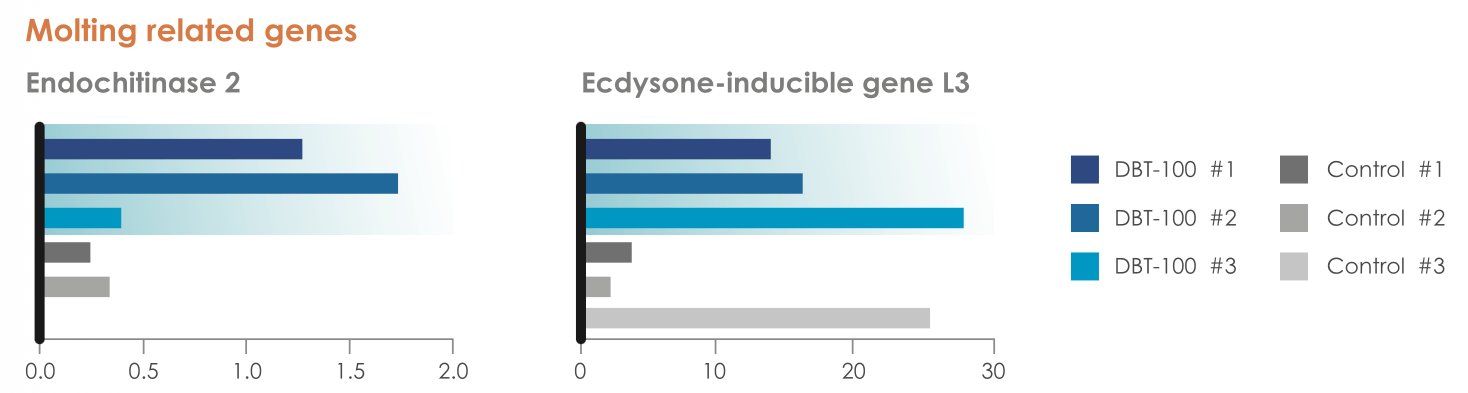
Figure 15. Expression of molting-related genes in whiteleg shrimp fed the control diet or DBT-100 HT for eight weeks
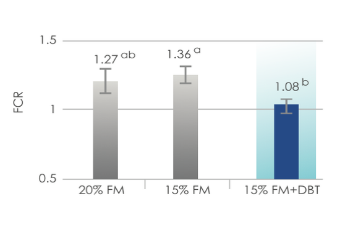
Figure 16. Feed conversion ratio (FCR) of whiteleg shrimp fed the control diet or DBT-100 HT for eight weeks
3.3 Summary of Aquaculture Performance Benefits
The lactic acid bacteria postbiotic DBT-100 HT not only enhances whiteleg shrimp resistance to white spot syndrome but also significantly increases the expression of molting-related genes and improves feed conversion ratio under low-fish-meal formulation conditions. These findings indicate that, beyond its immunomodulatory function, the postbiotic also supports normal growth performance in whiteleg shrimp by promoting molting- and growth-related physiological mechanisms.
For the aquafeed industry, the greatest advantage of postbiotics lies in their heat stability: unaffected by the high-temperature conditions of feed processing, they maintain product stability and ease of use. Moreover, the shift toward low-fish-meal, high-plant-protein formulations in aquafeed is now an irreversible trend. How to use functional additives to compensate for the nutritional gaps and health risks arising from such formulation adjustments will become a critical consideration in future feed design.
Taken together, the results of this trial demonstrate the application potential of lactic acid bacteria postbiotics in improving adaptability to low-fish-meal formulations, enhancing disease resistance, and sustaining growth performance, positioning them as an important tool for future aquafeed formulation optimization and aquaculture management strategies.
Field Application Strategies for Postbiotics
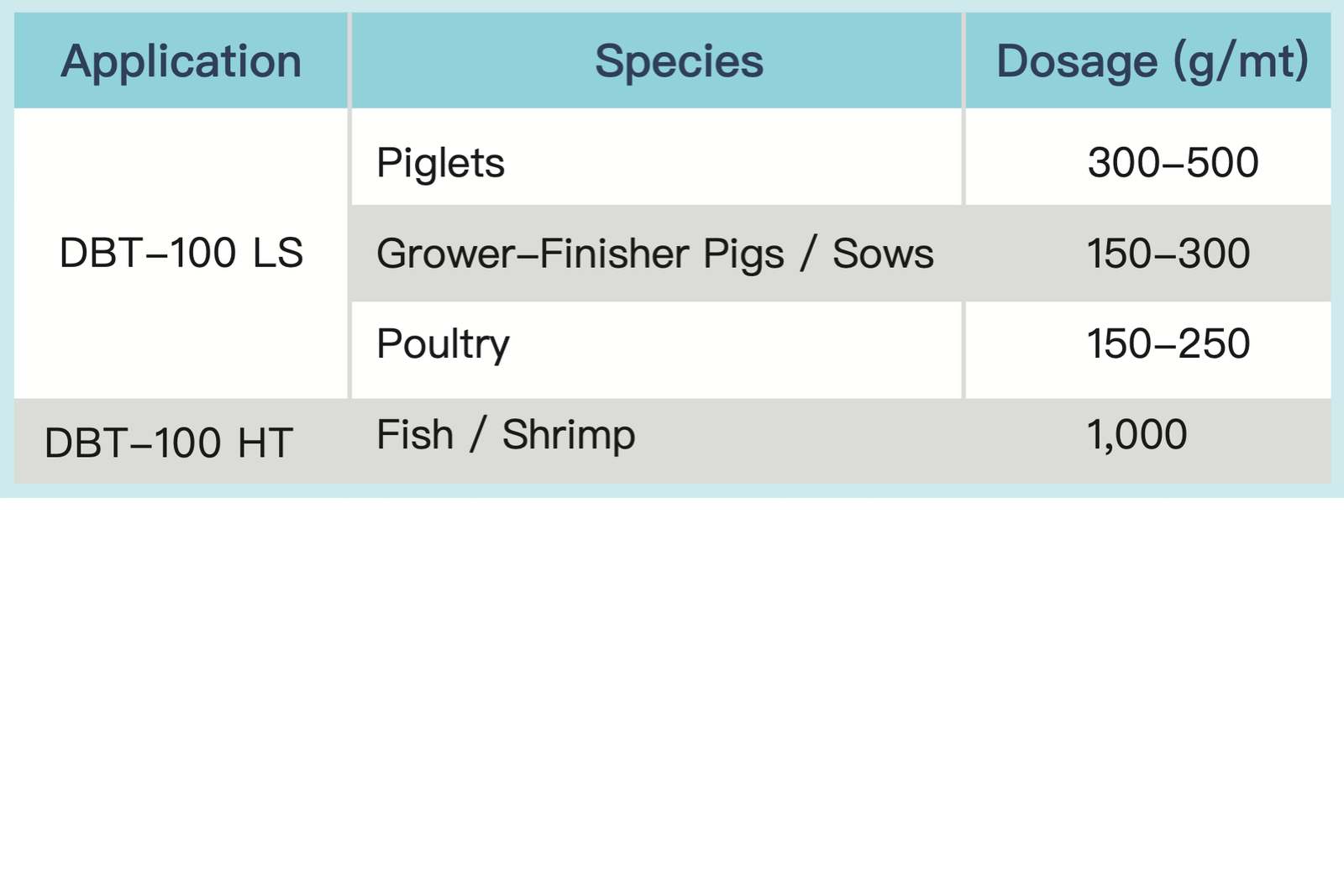
DaBomb's DBT-100 series of lactic acid bacteria postbiotics is tailored to different animal species and divided into two products: DBT-100 LS for livestock and poultry, and DBT-100 HT for aquaculture. The recommended usage levels are as follows: