News & Updates
Timely updates on innovative technologies, product applications, and industry perspectives.
Explore the latest developments in bio-fermentation and precision nutrition.

The 10th National Chiayi University Swine Disease Forum 2026 Concludes Successfully
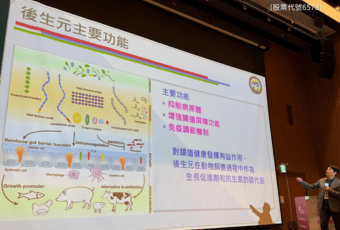
We sincerely thank all industry experts and colleagues who joined us at the forum. During the event, we shared customer success stories with participants and discussed how DaBomb's DBT-100 series postbiotics, a technology unique to DaBomb, are applied in sustainable livestock production. In animal feed, postbiotics are inactivated microorganisms, microbial cell components or fermentation metabolites added to feed. They are used to replace or complement conventional antibiotics and to improve the health of livestock, poultry and pets.
1. Key Advantages and Properties
Heat and Processing Stability
Postbiotics contain no live bacteria, so they are not destroyed by heat. They can withstand the high temperatures of feed manufacturing, such as extrusion and pelleting, as well as powder processing and long-term storage.
Supporting the Shift Away from Antibiotics
Postbiotics help reduce inflammation, regulate immunity and maintain the intestinal barrier. These effects lower infection rates in animals, which makes postbiotics an important solution for antibiotic-free feed.
Easy to Transport and Store
Postbiotics are biologically inactive and chemically stable, which helps extend the shelf life of feed ingredients.
2. Applications and Benefits
Improving Gut Health
Postbiotics balance the gut microbiota, help maintain the integrity of the intestinal wall and improve nutrient absorption.
Enhancing Production Performance
In feed for livestock (poultry, pigs and aquaculture species) and pets (dogs and cats), postbiotics help improve the feed conversion ratio (FCR) and support growth.
Reducing Disease Risk
Through immune regulation, postbiotics reduce stress and disease incidence, so farms can rely less on chemical drugs.